

Trends in Food Science and Technology is a peer-reviewed academic journal that publishes cutting-edge research on innovations, emerging techniques, and scientific advancements shaping how we grow, process, preserve, and enjoy food. For Canadian food bloggers, this journal serves as a bridge between laboratory discoveries and the stories you tell your readers, offering credible, research-backed insights that can transform a simple recipe post into authoritative content your audience trusts.
Why does this matter to you? Because the gap between what scientists discover and what home cooks understand is where your expertise shines. When researchers at the University of Guelph publish findings on cold-pressed canola oil oxidation or McGill scientists explore fermentation’s role in enhancing Indigenous ingredients like wild rice and sea buckthorn, that knowledge becomes your competitive advantage. You’re not just sharing recipes. You’re explaining why certain techniques work, validating the food trends your readers see everywhere, and grounding your content in science without losing the warmth and accessibility your community expects.
This journal covers everything from novel food preservation methods and plant-based protein innovations to sensory science and sustainable packaging. For Canadian bloggers writing about everything from Québécois tourtière to West Coast spot prawn season, understanding the research behind food safety, flavour chemistry, and nutrition helps you create content that educates while it entertains. The result? Posts that rank higher, earn more trust, and position you as more than just another recipe aggregator in an oversaturated space.
What the Trends in Food Science and Technology Journal Covers
The Trends in Food Science and Technology journal is a monthly peer-reviewed publication that connects laboratory discoveries with practical food industry applications. It covers the full spectrum of food science, from the molecular chemistry of flavour compounds to large-scale processing innovations that change how we grow, preserve, and consume food. For Canadian food bloggers, understanding the journal’s scope means recognizing it as a bridge between academic research and the real-world trends shaping our kitchens, farmers’ markets, and restaurant menus.
The journal publishes several types of content, each serving a different purpose. Original research papers present new experimental findings, think studies on how pressure-cooking affects the bioavailability of nutrients in Canadian-grown lentils or how fermentation temperatures influence the probiotic profile of kombucha. Review articles synthesize existing research to map the current state of knowledge on broader topics like cold-climate vertical farming or Indigenous food preservation techniques. Perspectives and commentaries offer expert analysis on emerging issues such as food security in Northern communities or the environmental impact of packaging choices. These formats work together to create a comprehensive picture of where food science stands and where it’s headed.
- Food Science
- The study of the physical, biological, and chemical properties of food and the principles underlying food processing and preservation.
- Food Technology
- The application of food science principles to the selection, preservation, processing, packaging, and distribution of safe, nutritious food products.
- Peer-Reviewed Research
- Scientific studies evaluated by independent experts in the field before publication, ensuring accuracy, validity, and credibility of findings.
- Innovation Pipeline
- The pathway from laboratory discovery through development and testing to real-world application in food products and industry practices.
- Applied Research
- Scientific investigation designed to solve practical problems and generate solutions that can be directly implemented by food producers, processors, and businesses.
The journal’s global perspective means it features research from food systems worldwide, but Canadian innovations hold particular relevance. You’ll find studies on extending the growing season for northern agriculture, improving the shelf life of wild-caught seafood during transport to remote communities, and extracting valuable compounds from canola processing by-products. Research on plant-based proteins frequently spotlights Canadian-grown peas and pulses, while sustainability studies explore how Indigenous food knowledge can inform modern preservation methods. This international-yet-local lens makes the journal especially valuable for bloggers documenting Canada’s diverse and evolving food landscape.
How the Journal Informs Food Innovation and Industry Practices

The Trends in Food Science and Technology journal doesn’t just publish research, it creates a pipeline from laboratory discovery to your local grocery shelf, restaurant menu, and yes, your blog content. Here’s how that journey works and why it matters for Canadian food storytellers.
Every article in the journal undergoes rigorous peer review, meaning multiple independent experts scrutinize the methodology, data, and conclusions before publication. This vetting process typically takes three to six months, filtering out weak science and ensuring only credible findings reach industry professionals, innovators, and communicators like you. Once published, these studies become reference points for food companies developing new products, regulators setting safety standards, and chefs experimenting with techniques.
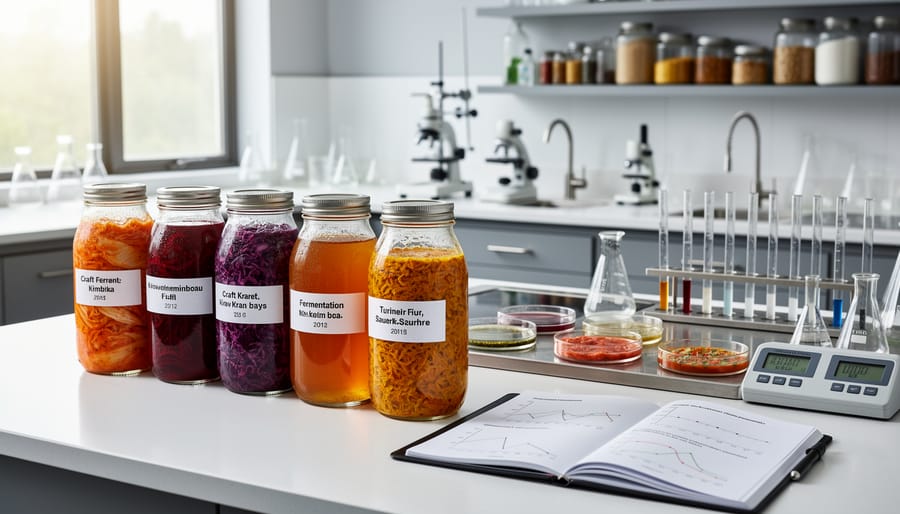
Take British Columbia’s kombucha industry as an example. Research published on fermentation control, probiotic strain selection, and flavour development directly influences how small-batch brewers refine their recipes. When a study demonstrates that specific temperature cycling produces more consistent carbonation or that certain tea blends support better bacterial cultures, BC producers incorporate those insights within months. They’re not reading abstracts for fun, they’re solving real production challenges with peer-reviewed solutions.
Similarly, Ontario’s artisanal food producers lean on high-pressure processing studies to extend shelf life without compromising flavour or nutrition. When the journal publishes findings on optimal pressure levels for cold-pressed juices or fresh pasta, small manufacturers can justify equipment investments and confidently market their products as both safe and minimally processed. The research provides the roadmap; the producers bring it to life.
For food bloggers, this pipeline offers something invaluable: the story behind the trend. When you write about a new plant-based cheese or preservation technique, citing journal research transforms your post from opinion to education. You become the translator, turning complex findings into relatable content that explains why a product works, not just that it exists. University libraries often provide free access to journal databases, and many researchers happily discuss their work when approached respectfully, giving you direct quotes and insider perspectives.
The journal’s role is to serve industrial communities and knowledge translators alike, bridging the gap between discovery and application. Your readers trust you to explain the “why” behind culinary innovation. This journal gives you the science to back it up.
Key Research Areas Driving Canadian Food Trends
Plant-Based and Alternative Protein Research
Canada’s plant-based protein boom isn’t just riding a trend, it’s grounded in rigorous science published in journals like Trends in Food Science and Technology. Research on pea, lentil, and hemp proteins dominates recent issues, tackling the challenges that matter most to food entrepreneurs: how to eliminate beany off-flavors, create meat-like textures, and boost bioavailability of nutrients.
Saskatchewan-grown yellow peas, for instance, have become a global protein powerhouse thanks to studies optimizing extraction methods that preserve functional properties while removing compounds responsible for grassy notes. This research directly enables companies like Verdient Foods in Regina to produce clean-tasting pea protein for plant-based burgers and protein powders sold across North America.
The journal also explores extrusion technologies that transform lentil flour into fibrous, chewy textures mimicking pulled pork or chicken, innovations that Vancouver chefs now use in plant-forward menus. Hemp protein, once dismissed for its gritty texture, is being refined through enzymatic treatments documented in the journal, opening new possibilities for Manitoba hemp processors.
For food bloggers, these studies validate what’s on your plate. When you feature a local plant-based brand or recipe, you can explain the science behind why today’s products taste better than five years ago, connecting Prairie agriculture to cutting-edge food technology and your readers’ evolving preferences.
Sustainability and Food Waste Reduction
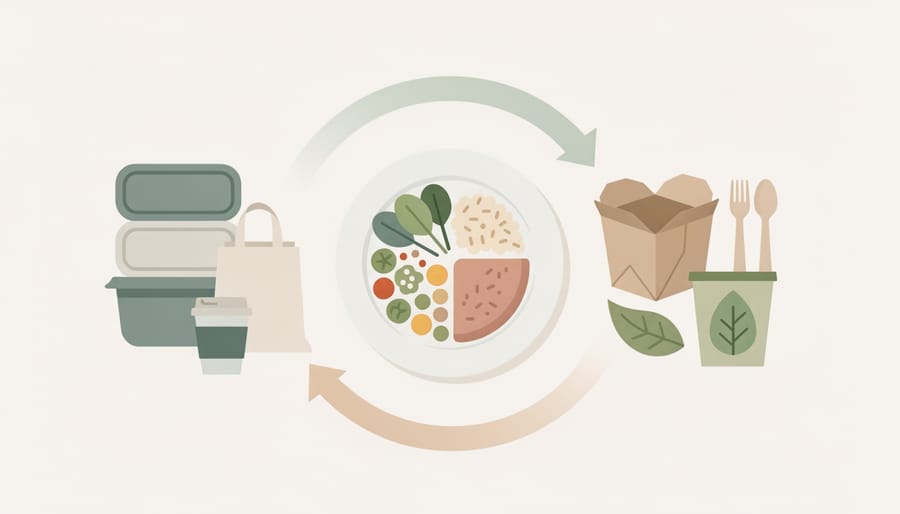
Canada’s ambitious zero-waste restaurants and food processors look to this journal for research-backed strategies. You’ll find studies on extracting valuable compounds from vegetable trimmings, spent grains, and seafood shells, turning what once went to landfill into functional ingredients, animal feed, or bioplastics. Recent papers examine how enzyme treatments can recover protein from canola meal, or how fermentation transforms brewery waste into high-value nutritional supplements.
The journal also covers circular food systems that minimize waste at every production stage. Think cold-chain optimization to reduce spoilage in remote Northern communities, or packaging innovations using agricultural by-products like wheat straw. One study featured in Trends in Food Science and Technology journal detailed how Ontario apple pomace (leftover from cider pressing) can become pectin for jams or fiber for baked goods, creating revenue streams from waste.
For food bloggers, these insights translate into content that shows readers the science behind sustainability claims. When a zero-waste chef uses broccoli stems or fish collars, you can explain the nutritional research validating those choices, making your coverage more credible than “it’s good for the planet” platitudes. Canadian processors scaling these innovations prove that waste reduction isn’t just ethical, it’s economically smart.
Indigenous Foods and Traditional Knowledge
The journal has increasingly become a platform for research that validates and documents Indigenous food knowledge systems across Canada. Studies published in recent years examine the nutritional composition, traditional preparation methods, and preservation techniques of foods that Indigenous peoples have cultivated and harvested for thousands of years, long before Western food science formalized these concepts.
Research spotlighted in the journal analyzes nutrient profiles of ingredients like wild rice harvested from northern lakes, traditional bannock preparations using indigenous grains, and foraged plants such as Labrador tea, sweetgrass, and fiddleheads. Scientists are confirming what Indigenous communities have always known: these foods offer exceptional nutritional value, with wild rice providing complete protein and minerals, and many foraged plants containing antioxidants and phytonutrients absent from conventional produce.
Preservation methods receive particular attention, fermentation techniques for fish and game, cold-smoking processes, and drying methods that maintain nutrient integrity without refrigeration. These traditional practices align perfectly with modern food science goals of extending shelf life naturally while preserving nutritional quality.
For Canadian food bloggers, this research offers rich storytelling opportunities. You can connect your readers to the scientific validation of Indigenous culinary traditions, profile chefs and knowledge keepers who are reviving these practices, and educate audiences about the sophistication of food systems that predate industrial agriculture. When you write about bannock or wild rice, you’re not just sharing a recipe, you’re documenting resilient, science-backed food knowledge that deserves recognition and respect.
How Canadian Food Bloggers Can Use Journal Insights
Accessing journal insights starts with knowing where to look. Many Canadian universities offer public library cards that grant access to academic databases, check with institutions like University of Guelph, University of British Columbia, or McGill to see if you qualify. Public libraries in major cities sometimes provide access to research portals too. If you hit paywalls, try ResearchGate or Google Scholar, where researchers often share open-access versions of their work. Email authors directly with polite requests for PDFs; most scientists appreciate public interest in their findings and will send you a copy.
Once you have an article, skip straight to the abstract and conclusion to grasp the core findings without wading through methodology. Look for results sections with tables or figures summarizing data, these visual elements often tell the story more clearly than dense paragraphs. If terminology stumps you, copy unfamiliar phrases into Google Scholar to find plain-language explanations or related blog posts. You don’t need a science degree to extract value; you need curiosity and the willingness to read the same paragraph twice.
Transform research into content by anchoring blog posts in the “why” behind trends. When you write about mushroom powder in baking, cite a study on ergothioneine’s antioxidant properties. When you feature oat milk, reference research on beta-glucan and heart health. Your readers trust you to filter hype from substance, peer-reviewed sources give your recommendations credibility that Instagram posts alone can’t match. Weave citations naturally into recipe introductions or Instagram captions: “Researchers at the University of Saskatchewan found that pea protein isolate retains 92 percent of its amino acids during high-heat cooking, perfect for these crispy tofu bites.”
Build relationships with food scientists by reaching out for interviews or quotes. Network with researchers through LinkedIn or university websites, introducing yourself as a content creator who translates science for home cooks. Many academics welcome the chance to explain their work to broader audiences. These food blogger connections can evolve into ongoing collaborations, expert quotes, recipe testing partnerships, or sponsored content opportunities that turn research into income streams.
Use journal insights to build a brand as the blogger who explains not just what’s trending, but why it works. Create a “Science Sundays” series unpacking one study per month. Add footnotes to recipes linking to research on ingredient benefits. Fact-check viral food claims with peer-reviewed evidence, positioning yourself as the antidote to pseudoscience. Your content becomes education wrapped in inspiration, the kind readers bookmark, share, and return to when they want substance alongside the pretty photos.
Common Questions About Food Science Research and Blogging
Do I need a science degree to make sense of research in the Trends in Food Science and Technology journal? Not at all. Most articles include abstracts that summarize the key findings in relatively plain language, and the discussion sections often explain practical implications. Start by reading the abstract and conclusion first, skip the dense methodology sections until you’re more comfortable. Over time, you’ll pick up the terminology and patterns. The goal isn’t to become a food scientist yourself, but to extract insights that help you explain Canadian innovations to your readers. Many successful food bloggers read journals exactly this way: focusing on the “so what” rather than the technical details.
How do I access journal articles without paying hefty subscription fees?
Check if your local public or university library offers free access through their databases. Many Canadian universities allow community members to visit in person and use their systems. Open-access articles are free to read, and platforms like ResearchGate let you request copies directly from authors, most researchers are happy to share.
What separates a genuine trend from scientifically-backed innovation?
A trend is popular buzz, often driven by social media and marketing. Scientifically-backed innovation has peer-reviewed research demonstrating measurable benefits, safety, or functional improvements. If a claim about a new ingredient or technique references published studies, it carries more weight than influencer endorsements alone.
How should I cite academic sources in blog posts?
Keep it simple and reader-friendly. Mention the study, journal name, and year in your prose, like: “A 2025 study in Trends in Food Science and Technology found that…” Link to the article if possible, or include a references section at the end for credibility without cluttering your narrative.
Can I reach out to study authors for interviews or clarification?
Absolutely. Most researchers list their email addresses on publications and appreciate media interest in their work. Introduce yourself as a Canadian food blogger, explain your audience, and ask specific questions. This approach helps you collaborate faster with experts who can validate your content and offer fresh perspectives.
Spotting pseudoscience requires a critical eye. Look for red flags: sweeping health claims without peer-reviewed citations, cherry-picked data that ignores contradictory studies, or vague references to “research shows” without naming the source. Legitimate research acknowledges limitations, uses controlled methods, and undergoes independent peer review before publication. When in doubt, cross-check claims against multiple credible sources or consult Canadian food scientists through university networks and industry associations.
The Trends in Food Science and Technology journal isn’t just an academic publication gathering dust on library shelves, it’s a living bridge between laboratory breakthroughs and the realities shaping what Canadians eat today. For food bloggers, it offers something rare: credible, peer-reviewed evidence that transforms trendy buzzwords into substantive stories. You become more than a recipe curator; you’re a knowledge translator, connecting complex research on plant proteins, fermentation, and Indigenous food systems to the practical questions your readers ask every day.
Canadian culinary culture thrives when science and tradition meet. Whether you’re explaining why pea protein behaves differently than soy, how high-pressure processing keeps kombucha safe, or why wild rice deserves its superfood status, grounding your content in journal research builds trust and authority. Your audience craves the “why” behind what they cook and eat, and you’re uniquely positioned to deliver it with clarity and heart.
Start exploring the journal’s insights this week. Let evidence-based storytelling elevate your blog, celebrate Canadian innovation, and deepen your readers’ connection to the food they love.