
A blogger brand is the distinct, recognizable identity you create that transforms your food blog from a content platform into a business asset companies want to partner with. It’s built on three pillars: consistent culinary perspective, engaged audience trust, and clear niche positioning. For Canadian food bloggers in 2026, this means defining whether you’re the expert on Maritime seafood traditions, the go-to voice for plant-based prairie comfort food, or the champion of urban Indigenous cuisine, then delivering content that reinforces that identity every single time you publish.
The brands that land collaborations don’t just share recipes. They solve specific problems for their audience while offering companies measurable reach into a defined market. When a Quebec maple syrup producer or a BC salmon distributor considers a partnership, they’re evaluating whether your brand aligns with their values, whether your audience matches their customer profile, and whether your content style can authentically showcase their product without feeling forced.
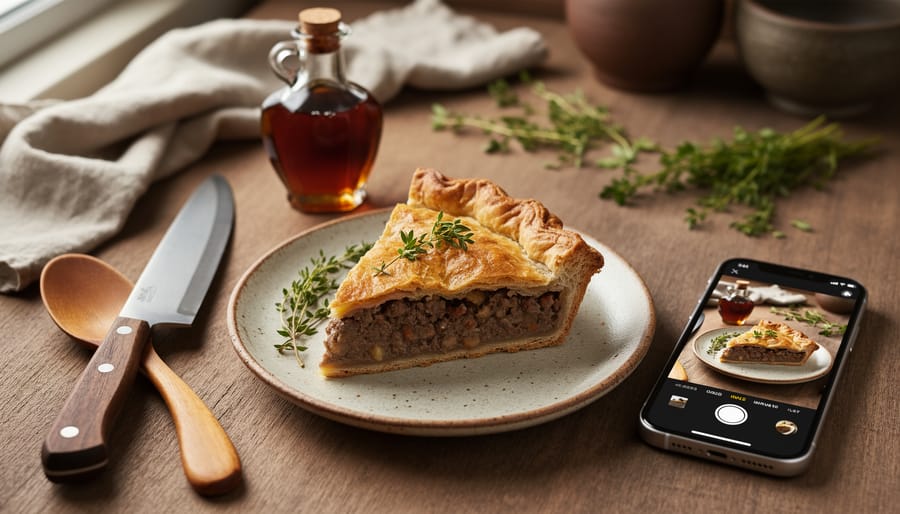
Building a blogger brand worth collaborating with requires intentional choices about voice, visual identity, and the stories you tell. Your brand lives in the way you photograph a tourtière, the regional ingredients you champion, the cooking challenges you help readers solve, and the community conversations you facilitate. It’s reflected in your Instagram grid, your email newsletter tone, and whether readers can describe what makes you different in one sentence.
Most Canadian food bloggers underestimate how long brand-building takes. You’re not just accumulating followers; you’re earning trust, establishing expertise, and creating a body of work that proves you can deliver results for partners. The path from hobbyist to brand requires strategy, consistency, and a clear understanding of what makes you valuable in an increasingly crowded digital food space.
What Makes a Blogger Brand Different from Just Having a Blog
Subject: blogger brands
Primary focus: differentiating blogger brands from regular blogs
Word count target: 350 words
Having a blog is like owning a bakery that’s open whenever you feel like baking. Building a blogger brand is running a bakery people drive across town for because they know exactly what to expect, and they’re never disappointed.
The difference comes down to intentionality. A blog publishes recipes and food stories. A blogger brand creates a cohesive experience around a distinct culinary perspective that resonates with a specific audience. When someone lands on your site, reads your Instagram caption, or watches your video, they should immediately recognize your voice, visual style, and values. That recognition, that “this is definitely her”, is what separates a brand from a collection of posts.
Brand personality forms the core. Are you the approachable home cook demystifying Maritime seafood for landlocked Canadians? The sustainability advocate championing ugly produce and zero-waste cooking? Your personality should permeate everything you create, from recipe headnotes to email newsletters. People connect with personalities, not just content.
Visual identity reinforces recognition. Successful Canadian food blogger brands develop signature photography styles, consistent colour palettes, and recognizable design elements. Think of how you can spot certain bloggers’ work in your feed before you even see their name, the lighting, the props, the plating style all telegraph their brand identity.
Voice consistency builds trust over time. Whether you’re writing a recipe introduction, responding to comments, or posting Stories, your audience should hear the same person. That doesn’t mean every post sounds identical, but your underlying tone, vocabulary choices, and perspective remain steady. A blogger who’s chatty and irreverent one week, then stiffly formal the next, confuses readers and dilutes brand strength.
Audience loyalty emerges when all these elements align. Brand-loyal readers don’t just return for recipes, they return for you. They trust your recommendations, share your perspective on food issues, and feel part of a community you’ve cultivated. That loyalty transforms casual visitors into engaged followers who brands actually want to reach, because these readers listen when you speak.
Building this takes time. Most Canadian food bloggers spend months or even years finding their brand voice and visual language, but that foundation makes everything else, including collaborations, significantly easier.
The Three Types of Blogger Brands That Attract Collaborations
The Niche Expert Brand
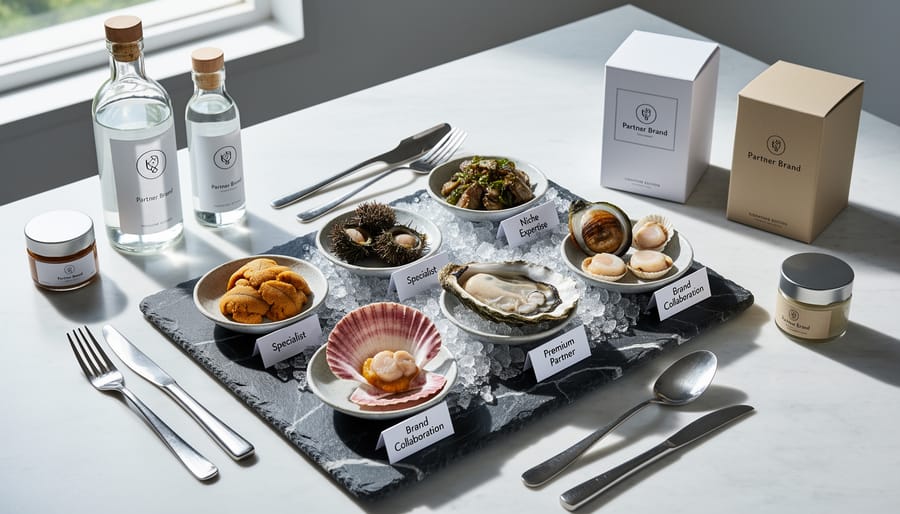
The niche expert brand thrives on deep, specific knowledge rather than broad appeal. These bloggers carve out authority in tightly focused culinary territories, think a Vancouver blogger who exclusively covers fermentation techniques using BC ingredients, or a Halifax creator who documents every aspect of traditional Maritime fish preparation from dock to dinner plate.
Brands actively seek these partnerships because niche experts deliver something mass-market influencers can’t: credibility with highly engaged, purchase-ready audiences. When a plant-based blogger who has spent three years perfecting vegan butter tart recipes recommends a particular ingredient, their audience listens. That specificity translates to higher conversion rates than generic food content ever could.
The Canadian food landscape offers countless viable niches. Indigenous food sovereignty and traditional recipes represent growing interest areas where authentic voices attract partnerships with ethical food brands and culinary tourism organizations. Prairie grain fermentation, Québécois heritage preserving, wild game preparation for modern kitchens, and regional ingredient deep-dives (like Ontario garlic varieties or Saskatchewan pulse crops) all support sustainable blogger brands.
What makes this archetype work is genuine expertise you build over time, not overnight. Brands value your accumulated knowledge, testing experience, and the trust you’ve earned within your specific community. You don’t need 50,000 followers when you’re the definitive voice for sourdough using Canadian heritage grains, you just need the right 5,000 who care deeply about that exact topic.
The Lifestyle Storyteller Brand
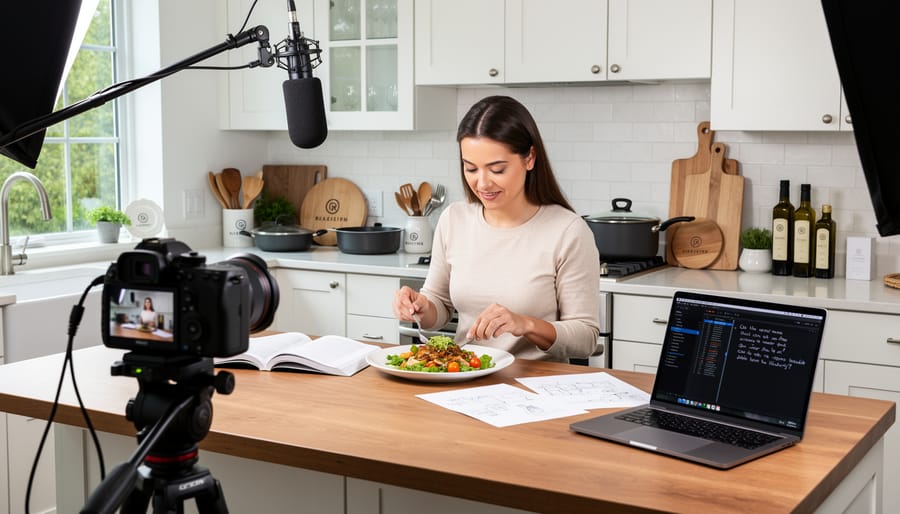
The lifestyle storyteller brand weaves food into a broader narrative about how people actually live. These Canadian food bloggers don’t just share recipes, they show the Tuesday dinner rush with kids home from hockey practice, the Sunday morning ritual of farmers market visits, or the quiet satisfaction of preserving summer berries for January mornings.
This approach resonates because food rarely exists in isolation. A sourdough loaf becomes part of a story about slowing down on weekends. A quick weeknight stir-fry fits into content about balancing work-from-home schedules. Recipes appear alongside home organization tips, seasonal decorating, or reflections on building family traditions around the table.
Lifestyle storyteller brands attract a different partnership landscape than niche experts. Kitchen brands love these collaborations because they can showcase products in real-life contexts rather than staged recipe shoots. A stand mixer appears in content about weekend baking routines. Dutch ovens feature in stories about cosy winter meal prep. The product becomes part of the lifestyle narrative rather than the sole focus.
Home goods companies, subscription boxes, and lifestyle retailers seek these partnerships too. They recognize that followers trust the blogger’s broader judgment about creating a good life, not just cooking expertise. The audience often mirrors the blogger’s demographic closely, parents managing family meals, young professionals establishing kitchen routines, or empty-nesters reimagining dinnertime.
The key strength here is relatability. Followers see themselves in these stories, which makes product recommendations feel like advice from a trusted friend rather than advertising.
The Community Builder Brand
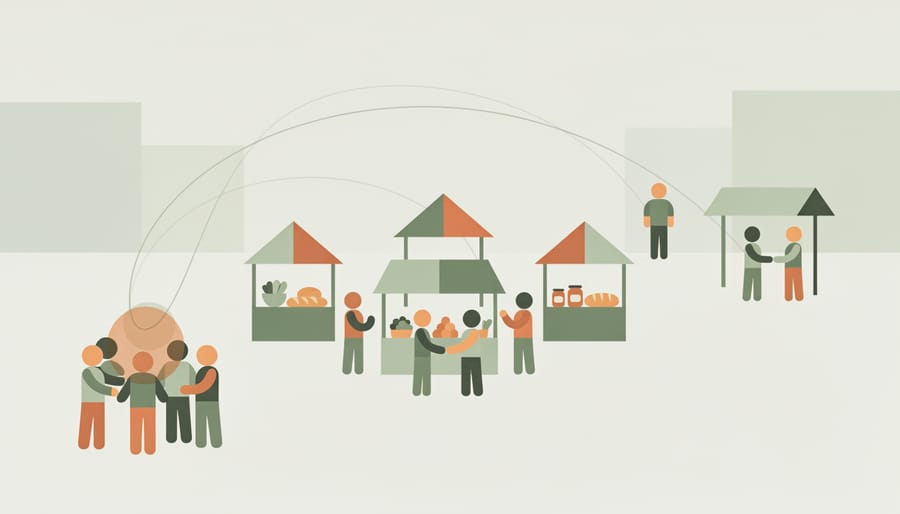
The Community Builder Brand thrives on connection. These food bloggers create gathering spaces, whether digital or physical, where people unite around shared values like supporting local farmers, reducing food waste, or reclaiming traditional cooking methods. Think of the blogger who organizes virtual cook-alongs featuring seasonal Ontario produce, or the one whose comment section becomes a recipe troubleshooting hub where members genuinely help each other.
What sets community builders apart isn’t follower count. It’s the depth of relationship. Their audiences don’t just read, they participate, share personal stories, and trust recommendations because they feel part of something meaningful. A community builder might have 5,000 followers but generate hundreds of thoughtful comments per post, while others with 50,000 get crickets.
Brands notice this engagement because it translates to real purchasing influence. When a community builder recommends Manitoba-grown lentils or a Canadian-made Dutch oven, their audience listens. These partnerships work best when aligned with community values. A local mill partnering with a bread-baking community blogger makes sense. A processed food giant pushing convenience meals doesn’t.
The community builder model requires patience and genuine commitment. You can’t fake caring about your members or rush authentic relationships. But for Canadian food bloggers who naturally gravitate toward teaching, connecting, and championing shared causes, this brand archetype creates partnerships that feel less like advertising and more like natural extensions of ongoing conversations.
Building Your Blogger Brand Foundation for Partnerships
Before you reach out to your first potential partner, you need a solid foundation that shows brands you’re worth working with. This isn’t about pretending to be bigger than you are, it’s about presenting what you already have in the most professional, compelling way possible.
Start by defining your brand positioning within the Canadian food landscape. What makes your perspective unique? Maybe you’re the go-to voice for Maritime lobster recipes, or you champion Alberta beef in creative weeknight dinners, or you’ve mastered gluten-free versions of Canadian comfort classics. Your positioning should answer why someone would follow you instead of the thousands of other food bloggers out there. Be specific. “I share easy recipes” is positioning for everyone and no one. “I teach busy parents how to cook quick Maritime-inspired seafood dinners their kids actually eat” gives brands a clear picture of who you reach and what you offer.
Next, truly understand your audience beyond basic demographics. Yes, brands want to know if your readers are primarily women aged 25-45 in Ontario, but dig deeper. What problems do they face in the kitchen? What ingredients intimidate them? Do they value budget-friendly meals or are they willing to splurge on local, artisanal products? When you can tell a brand, “My audience is young families in Vancouver who want to cook sustainably but struggle with the cost of organic ingredients,” you’ve given them something actionable.
Before approaching any collaboration, make sure you have these essential elements in place:
- A clearly defined niche and brand voice that differentiates you from other Canadian food bloggers
- Consistent visual branding across your blog and social platforms
- At least three months of regular, quality content demonstrating your style and expertise
- Basic analytics access so you can share genuine traffic and engagement data
- A simple media kit or one-page brand overview with your audience demographics and content focus
- Professional contact information and a dedicated email for partnership inquiries
Your value proposition ties everything together. This is where you articulate what brands get by partnering with you that they can’t get elsewhere. It might be your deep connection with a specific regional audience, your talent for making complex techniques approachable, or your ability to showcase products in authentic family settings. Whatever it is, you should be able to explain it in two sentences when opportunity knocks.
Why Canadian Brands Choose Blogger Brands Over Traditional Advertising
The marketing world has changed dramatically, and Canadian food brands are following the shift. Traditional advertising, glossy magazine spreads, television commercials, billboard campaigns, still exists, but the budget allocation tells a different story. Brands are moving money toward blogger partnerships, and it’s not just a trend.
The reason comes down to trust. When a blogger shares a recipe using a specific brand of maple syrup or features locally-sourced beef in their kitchen, readers see it differently than an ad. That blogger has been showing up in their inbox or Instagram feed for months, maybe years. They’ve built credibility through consistent content and genuine interactions. A recommendation feels like advice from someone you know, not a sales pitch from a corporation.
Canadian brands particularly value the targeted reach that blogger brands deliver. A food blogger focusing on Maritime cuisine connects directly with readers interested in East Coast cooking traditions and ingredients. A plant-based blogger in Vancouver reaches an engaged audience actively seeking those recipes and products. Compare that to a television commercial broadcasting to everyone watching a hockey game, the reach might be broader, but the relevance is diluted.
Then there’s the content creation advantage. When brands partner with bloggers, they receive professional photography, tested recipes, personal storytelling, and often video content. That material gets reused across the brand’s own channels, extending the value far beyond the initial partnership. A single collaboration can generate dozens of branded assets.
The Canadian market adds another layer. Our food landscape celebrates regional diversity and local producers. Blogger brands who authentically represent their communities, whether that’s Québécois comfort food, prairie grain farming, or Pacific Coast seafood, provide brands with genuine connections to these distinct markets. You can’t replicate that authenticity through traditional advertising copy written in a boardroom.
Smaller Canadian food companies, especially artisanal producers and regional brands, find blogger partnerships more accessible than traditional advertising campaigns. The investment is manageable, the results are measurable through engagement and sales tracking codes, and the relationship often continues beyond a single transaction.
The Real Numbers: What Blogger Brands Need to Attract Collaborations
You’ve probably heard it before: “I need 100K followers before brands will work with me.” That’s one of the biggest myths in food blogging, and it keeps talented Canadian bloggers from even trying. The truth is, brands care far more about who your audience is and how they engage with you than the raw size of your following.
Engagement rate matters more than follower count every single time. A food blogger with 3,000 followers who get 15-20 thoughtful comments per post and strong story interactions is more valuable to most brands than someone with 30,000 followers getting five generic comments. Canadian food brands, especially smaller regional ones, know this. They’re looking for audiences who actually cook the recipes, trust your recommendations, and take action.
The demographics of your audience tell brands whether you’re the right fit for their products. A Prairie-based blogger whose followers are primarily home cooks aged 30-55 interested in family meals is perfect for certain brands but wrong for others targeting Gen Z students. Know your audience demographics, age, location, interests, income level, because brands will ask, and “I’m not sure” isn’t the answer that leads to partnerships.
| Collaboration Type | Typical Audience Size | What Brands Look For |
|---|---|---|
| Gifted Products | 500-5,000 | Consistent content, clear niche, genuine interest in their products |
| Affiliate Partnerships | 1,000-10,000 | Engaged audience, proven purchase influence, relevant content history |
| Sponsored Posts | 3,000-20,000 | Strong engagement rates, professional presentation, aligned audience demographics |
| Brand Ambassadorships | 5,000+ | Authentic brand alignment, consistent quality, loyal community, proven results |
Content quality speaks louder than any metric. Brands review your actual posts, photography, recipe development, and writing. They’re asking: Does this blogger create content we’d be proud to associate with? Is their photography good enough that we could repurpose it? Do their recipes actually work? A smaller blogger with restaurant-quality photos and well-tested recipes will attract better partnerships than someone with a large following but mediocre content.
Brand alignment is the deal-maker or deal-breaker. If you’re a plant-based food blogger, beef producers aren’t your target partners no matter how great your numbers look. Focus on building authentic relationships with brands that genuinely fit your values and content focus. Canadian bloggers who clearly represent Maritime seafood culture, prairie grain dishes, or West Coast sustainable eating attract the right brands naturally because the fit is obvious and authentic.
Strengthening Your Blogger Brand for Better Partnerships
Consistency Is Your Secret Weapon
Consistency separates hobbyist bloggers from recognizable brands. When you post regularly, whether that’s twice weekly or monthly, your audience knows when to expect you, and algorithms reward that reliability with better reach. But posting frequency is just the start.
Visual consistency matters equally. Use the same colour palette, photography style, and layout approach across your blog, Instagram, and Pinterest. Canadian brands evaluating potential partners scroll through your feeds looking for coherent brand identity. If your Instagram looks like three different people manage it, that signals amateur hour.
Voice consistency ties everything together. Your tone, values, and perspective should remain recognizable whether someone reads your recipe introduction, email newsletter, or Instagram caption. A blogger who’s sarcastic and irreverent one week, then overly formal the next, confuses audiences and raises red flags for brands.
Think of consistency as compound interest for your brand. Each aligned post, image, and caption reinforces your identity, making you increasingly memorable. Brands partner with bloggers they can predict and trust, consistency proves you’re both.
Showcasing Canadian Culinary Identity
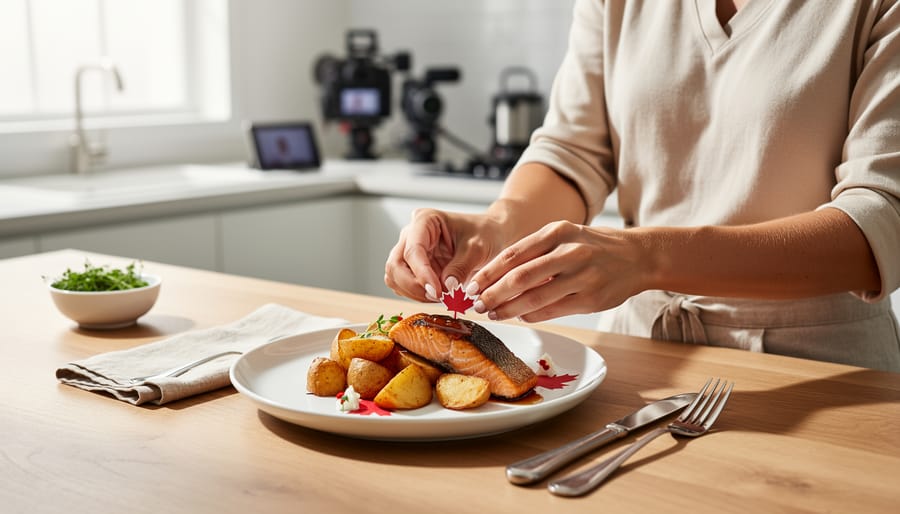
Your Canadian culinary identity isn’t just a nice-to-have, it’s a strategic advantage that sets you apart in brand partnerships. When you consistently showcase ingredients like British Columbia wild salmon, Quebec maple syrup, or Saskatchewan lentils, you position yourself as someone who genuinely understands the Canadian food landscape.
Brands seeking authentic Canadian voices notice bloggers who celebrate regional specialties. If you’re in Alberta, lean into beef and grain recipes. Maritime bloggers who feature seafood and dulse demonstrate real connection to their food culture. This specificity attracts partnerships with Canadian producers who want their products presented by someone who gets the context.
You don’t need to feature Canadian ingredients in every post, but weaving them throughout your content builds a recognizable identity. Share the stories behind local ingredients, why Ontario peameal bacon matters, how Yukon Gold potatoes got their name, what makes wild rice harvesting significant to Indigenous communities.
Canadian brands prefer working with bloggers whose content feels rooted in place rather than generic. When your recipes, photography, and storytelling reflect genuine Canadian culinary experience, you become the obvious choice for brands targeting Canadian audiences.
Professional Presentation That Gets You Noticed
When brands consider partnerships, first impressions matter, and yours often happens via email, not Instagram.
A polished media kit saves brands time and positions you as serious. Include your traffic and engagement stats, audience demographics (especially geographic breakdowns showing Canadian reach), sample work, and clear contact information. Update it quarterly. Keep the design clean and on-brand, avoiding cluttered templates that scream amateur hour.
Your portfolio should showcase versatility. Feature three to five strong collaborations or original projects that demonstrate different capabilities: recipe development, food photography, storytelling, video content. If you’re new to partnerships, create spec work, develop the type of content you’d produce for dream brands, even without formal collaboration.
Professional communication sets you apart from bloggers brands don’t take seriously. Respond to emails within 24 hours. Use proper grammar and clear subject lines. When pitching, research the brand first and explain why you’re a fit for *their* specific goals, not just why you want to work with them.
Keep proposals concise. Outline what you’ll deliver, your rates, and timelines. Avoid apologetic language (“I know I’m small, but…”). You’re offering value, not asking for favours.
Presentation doesn’t mean pretentious. It means showing respect for their time and confidence in your work.
Common Mistakes That Weaken Blogger Brands
The fastest way to undermine your blogger brand is accepting every partnership that comes your way. Canadian food bloggers often make this mistake when they’re starting out, excited by any collaboration opportunity. One week you’re promoting a mass-produced seasoning blend, the next you’re endorsing a meal kit service that contradicts your “from-scratch cooking” philosophy. Your audience notices these contradictions immediately, and trust evaporates.
Another common pitfall is losing your authentic voice to sound more “professional” or appeal to brands. You start writing in stiff marketing language, carefully sanitizing every post to avoid controversy. The problem? That authentic, slightly imperfect voice was what made you compelling in the first place. Brands actually want your genuine perspective, not a watered-down corporate version.
Neglecting your existing audience while chasing brand partnerships creates a destructive cycle. You stop creating the content your readers loved because you’re too focused on what might attract sponsors. Your engagement drops, making your brand less attractive to future partners. The bloggers who maintain strong brands serve their audience first and let partnerships flow from that foundation.
Over-promotion kills blogger brands quickly. When every third post becomes sponsored content or your Instagram stories turn into a constant sales pitch, people tune out. Even worse is the obvious hard sell where you’re clearly reading from a brand’s script. Canadian food bloggers with staying power maintain a ratio where partnerships enhance rather than dominate their content, keeping the focus on genuine culinary experiences and honest recommendations.
From Blogger Brand to Business: Long-Term Thinking
The leap from blogger brand to actual business doesn’t happen overnight, but it’s a transition worth planning for from day one.
Most Canadian food bloggers start with scattered brand deals and affiliate links. That’s fine, it’s how you learn. But sustainable businesses think bigger. They diversify deliberately. Your recipe blog becomes the foundation for cookbooks, online courses teaching regional Canadian cooking techniques, consulting services for restaurants developing their menus, or product lines featuring your signature spice blends. Each income stream reinforces the others while protecting you when one slows down.
Building brand equity means creating assets that grow in value. Your original recipes are intellectual property. Your food photography library has licensing potential. The community you’ve built around preserving traditional Québécois techniques or celebrating Prairie ingredients becomes more valuable each year. Document everything, recipe development processes, photography methods, your unique approach to sourcing local ingredients. This intellectual property forms the foundation of your business value.
Scaling beyond one-off collaborations requires systems. Successful blogger businesses develop repeatable processes for content creation, establish clear pricing structures, and build teams (even if that starts with one virtual assistant). They track finances properly from the start, not scrambling when tax season arrives.
Speaking of taxes: once you’re earning regular income, consider registering as a sole proprietor or incorporating. In Canada, you must register for a GST/HST number once you exceed $30,000 in annual revenue. Keep meticulous records of expenses, that new camera, your test kitchen ingredients, even a portion of your home internet. These are legitimate business deductions that many new food bloggers miss.
Think five years ahead. Where does your blogger brand need to be to support your life? What infrastructure do you need to build now? The bloggers who treat their brands as businesses from the beginning are the ones still thriving years later, not just chasing the next partnership.
Building a blogger brand that attracts meaningful collaborations isn’t about chasing every partnership opportunity or inflating your metrics. It’s about creating something real, content that genuinely helps your audience, a voice that reflects who you actually are, and connections built on trust rather than transaction.
The Canadian food blogging community has room for your perspective, whether you’re documenting Ukrainian pierogies from your grandmother’s kitchen in Winnipeg or exploring the seafood traditions of Atlantic Canada. Your unique background, the ingredients you grew up with, the stories only you can tell, these aren’t obstacles to overcome. They’re the foundation of a blogger brand that stands out.
Start where you are right now. You don’t need a massive following or a professional studio kitchen to begin building your brand. Focus on consistency over perfection. Show up for your audience regularly. Develop your point of view. The partnerships will follow when you’ve created something worth collaborating with.
The bloggers who build sustainable businesses aren’t necessarily the ones who had the biggest launch or the fastest growth. They’re the ones who stayed authentic, served their communities well, and played the long game. That can be you.