

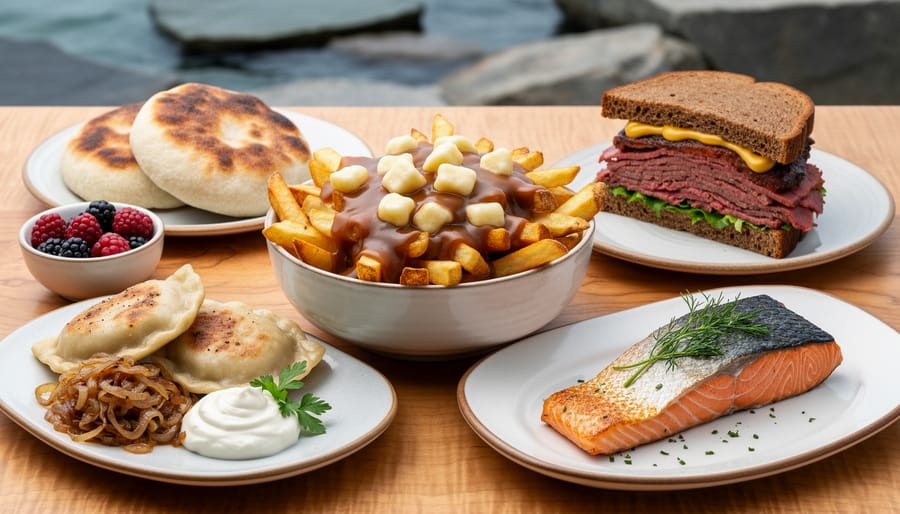
Canada’s food landscape tells the story of a nation built by waves of immigration, shaped by vast geography, and anchored in Indigenous traditions that stretch back millennia. From the seafood-rich coasts of the Maritimes to prairie grain fields and Pacific salmon runs, Canadian cuisine reflects distinct regional identities while embracing culinary influences from every corner of the globe.
What makes Canadian food unique is its refusal to be pinned down. You’ll find haute French cuisine in Montreal mere blocks from smoked meat delis serving recipes unchanged for decades. Vancouver’s sushi scene rivals Tokyo’s, yet prairie cities perfect Ukrainian perogies and Filipino adobo with equal pride. Indigenous chefs are reclaiming traditional ingredients like wild game, foraged plants, and Three Sisters crops, creating a modern movement that honours the land’s original food systems.
This guide walks you through Canada’s culinary regions, explaining what to eat in each province, where local food culture shines brightest, and how to experience authentic Canadian dining beyond the tourist traps. Whether you’re a food blogger mapping your next content series or a culinary traveller planning a cross-country tasting tour, you’ll discover the dishes that define each region and the stories behind them. Canadian food rewards the curious, those willing to venture past maple syrup stereotypes into a food scene as diverse and expansive as the country itself.
Why Canadian Cuisine Deserves Your Attention
Canadian cuisine tells a story that no other country can claim. It’s built on three distinct but interwoven threads: Indigenous food traditions spanning thousands of years, successive waves of immigration that brought global flavours to Canadian tables, and dramatic regional variations shaped by geography and climate. For food bloggers covering the Canadian dining scene, understanding these layers isn’t optional, it’s what separates superficial coverage from genuinely insightful content.
The foundation starts with Indigenous peoples who developed sophisticated food systems using wild game, fish, foraged plants, and preservation techniques adapted to harsh climates. These aren’t historical curiosities. Indigenous ingredients like bannock, wild rice, cedar-planked salmon, and Three Sisters agriculture (corn, beans, squash) continue shaping menus across the country, particularly as Indigenous chefs reclaim their culinary heritage and modern restaurants incorporate traditional ingredients with renewed respect.
Immigration transformed this foundation into something uniquely multicultural. French settlers brought culinary techniques that evolved into distinct Québécois traditions. British influences established different patterns in English Canada. Then came Ukrainian farmers to the Prairies, Chinese railroad workers to British Columbia, Portuguese fishermen to the Atlantic, and dozens of other communities, each adding their recipes, ingredients, and cooking methods to the mix. The result isn’t fusion cuisine. It’s parallel food cultures coexisting and occasionally blending, creating city neighbourhoods where you’ll find authentic Vietnamese pho, Italian osso buco, and Jamaican jerk chicken within three blocks.
Regional variations add another dimension. Atlantic Canada’s seafood traditions differ completely from Prairie comfort food, which shares little with British Columbia’s Pacific Rim influences. These aren’t minor differences, they’re distinct culinary identities shaped by available ingredients, settlement patterns, and local culture.
This complexity makes Canadian food challenging to define but endlessly rewarding to explore. For food bloggers, it offers rich storytelling opportunities that go far beyond maple syrup stereotypes.
Canada’s Essential Regional Dining Areas and Food Scenes
1. Atlantic Canada: Maritime Seafood and Kitchen Party Culture
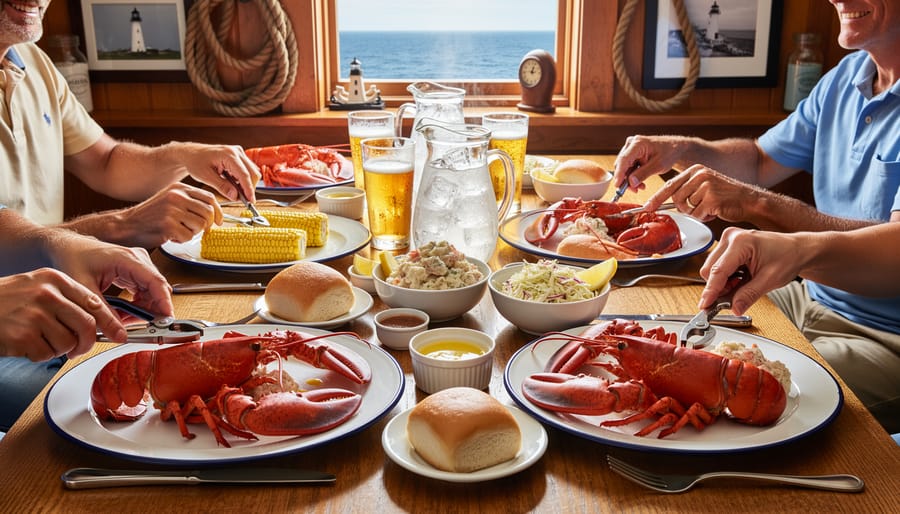
Atlantic Canada’s culinary identity is inseparable from the sea. The fishing communities stretching from Newfoundland to Nova Scotia have built their culture around what the cold Atlantic waters provide, creating a dining tradition that’s equal parts sustenance and celebration.
The region’s history of lobster fishers traces back centuries, and today lobster remains the star attraction. Community lobster suppers, particularly common in Prince Edward Island and New Brunswick, offer the most authentic experience. These aren’t fancy restaurants but church basements and community halls where locals gather for all-you-can-eat lobster served with coleslaw, rolls, and potato salad. For food bloggers, these suppers capture the communal spirit that defines Maritime dining.
Seafood chowder varies dramatically across the region. Newfoundland’s versions tend toward thicker, heartier preparations with salt cod, while Nova Scotia favours creamy bases loaded with haddock and scallops. PEI chowders often incorporate local mussels alongside the usual suspects. Each province insists its version is definitive.
Acadian cuisine adds another layer, particularly in New Brunswick and Nova Scotia’s French Shore. Fricot (a chicken and dumpling stew), poutine râpée (a potato dumpling with pork centre, entirely different from Québec’s poutine), and rappie pie (an Acadian casserole made from grated potatoes and chicken or clams) represent this distinct tradition.
The term “kitchen party” describes the region’s approach to dining: informal, generous, and social. Music often accompanies meals, and strangers become friends over shared plates. For content creators, this hospitality makes Atlantic Canada remarkably welcoming, locals love sharing their food stories and family recipes.
2. Québec: French-Canadian Tradition Meets Modern Innovation
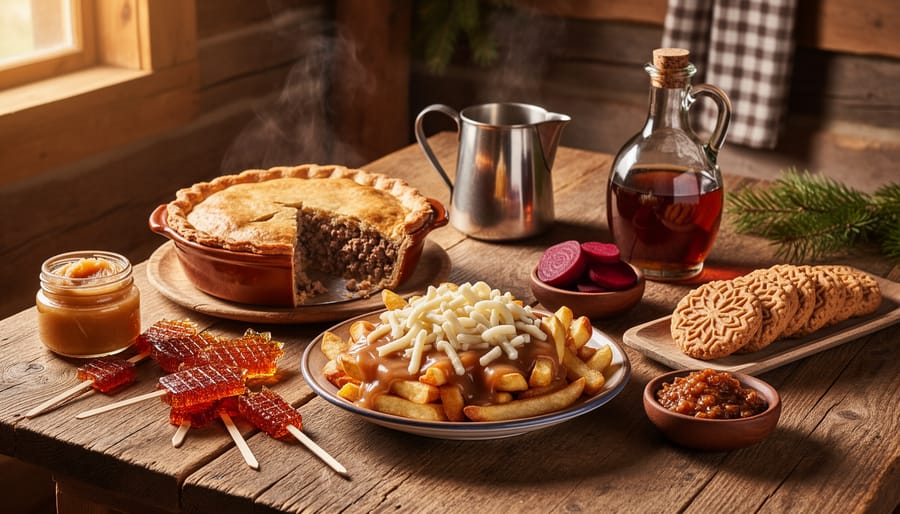
Québec’s food culture stands apart from the rest of Canada, rooted in 350 years of French settlement and fiercely protected through language laws and cultural pride. The province’s cuisine tells the story of resourcefulness, French settlers adapting Old World techniques to New World ingredients in a harsh climate.
Traditional Québécois cooking centres on hearty, preservation-focused dishes. Tourtière, a spiced meat pie served at Christmas réveillon, varies by region: Lac-Saint-Jean versions layer game meats in deep dishes, while Montreal tourtières stay flatter with pork and veal. Sugar shacks (cabanes à sucre) transform maple harvest season into a cultural event, serving tire sur neige (hot syrup on snow), pea soup, baked beans, and oreilles de crisse (fried pork rinds) at communal tables.
Poutine evolved from 1950s rural Québec into the province’s most famous export. The classic remains simple, hand-cut fries, squeaky cheese curds, brown gravy, but Montreal’s La Banquise offers 30+ variations, while fine dining versions incorporate foie gras and short rib. Montreal bagels differ from their New York cousins: smaller, sweeter, denser, wood-fired in continuous ovens at St-Viateur and Fairmount since the 1950s.
The contemporary scene balances tradition with innovation. Montréal’s Toqué! pioneered Québec terroir cuisine in 1993, spotlighting local cheeses, Gaspésie seafood, and Charlevoix lamb. The province produces 700+ artisan cheeses, rivaling France in variety. Québec City’s Saint-Roch neighbourhood houses experimental bistros serving seal tartare and sea buckthorn desserts, while preserving centuries-old establishments like Aux Anciens Canadiens.
For food bloggers, Québec offers the clearest regional identity in Canadian dining, a distinct culinary language where even McDonald’s serves poutine and bakeries stock butter tarts alongside tarte au sucre.
3. Ontario: Multicultural Dining Hub and Farm-to-Table Movement
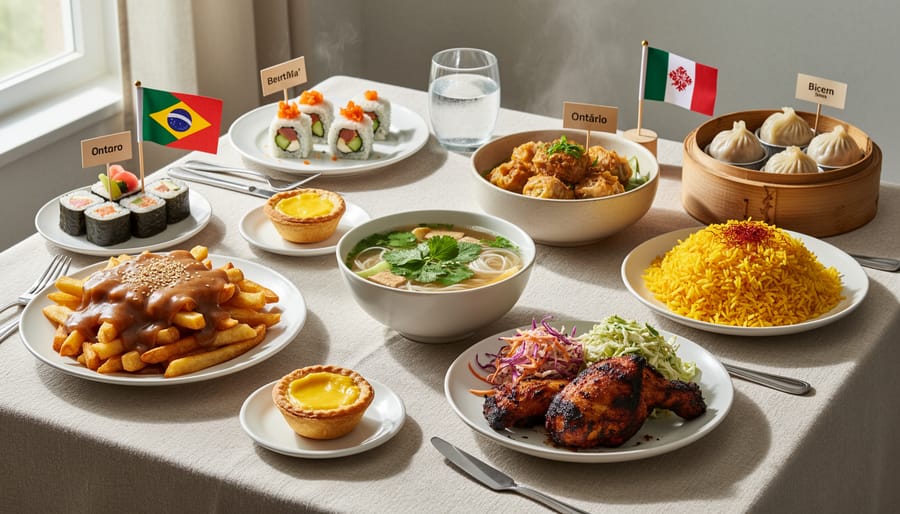
Ontario’s dining scene reflects the province’s position as Canada’s most populated and culturally diverse region. More than half of all immigrants to Canada settle here, transforming cities like Toronto, Ottawa, and Mississauga into extraordinary culinary destinations where authentic global cuisines thrive alongside homegrown innovation.
Toronto alone claims neighbourhoods dedicated to specific food cultures. Little Italy serves fresh pasta and espresso culture. Greektown along the Danforth offers souvlaki and loukoumades. Chinatown presents regional Chinese specialties from Sichuan to Cantonese dim sum. Little India on Gerrard Street East features South Asian curries, chaats, and sweets. Koreatown, Little Portugal, Little Ethiopia, each district preserves authentic cooking techniques passed down through generations while adapting to Canadian ingredients and palates.
The province simultaneously champions its agricultural roots through a robust farm-to-table movement. Niagara wine country produces world-class ice wine and cool-climate varietals, with winery restaurants showcasing regional produce. Ottawa’s ByWard Market connects urban diners directly with farming families. Southwestern Ontario’s fruit belt supplies peaches, cherries, and apples that define summer menus across the province.
Indigenous cuisine experiences a meaningful revival here as well. Restaurants like Ku-kum Kitchen in Ottawa and NishDish in Toronto centre traditional ingredients, wild rice, corn, beans, squash, and game meats, prepared with contemporary techniques. These establishments educate diners about foodways that predate European contact.
For food bloggers, Ontario offers unmatched variety. You can document Portuguese custard tarts in the morning, photograph Haudenosaunee three sisters stew at lunch, and review molecular gastronomy for dinner. This density of culinary experiences makes Ontario essential coverage for anyone chronicling Canadian food culture.
4. The Prairies: Hearty Comfort Food and Indigenous Ingredients
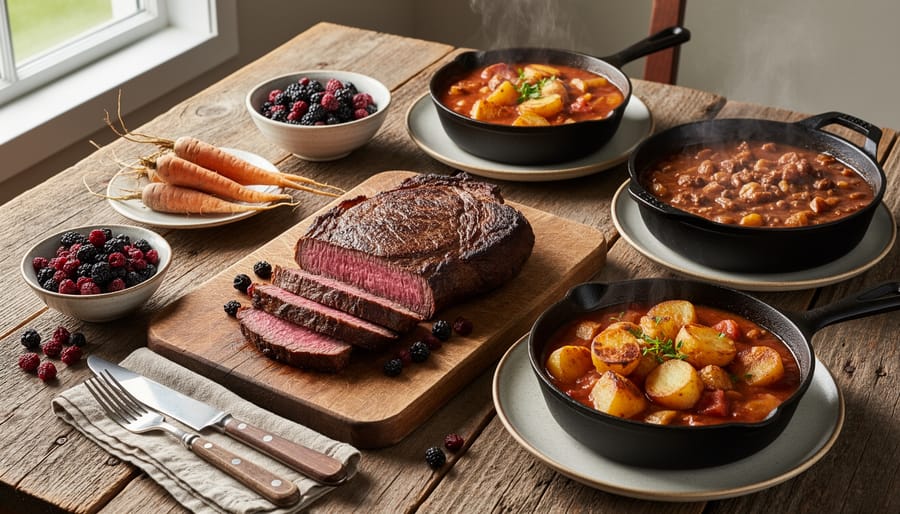
The vast grain fields and wide-open skies of Manitoba, Saskatchewan, and Alberta have shaped a cuisine rooted in resourcefulness, community gatherings, and the land’s natural bounty. Prairie cooking tells the story of Ukrainian homesteaders who brought perogies and kubasa, Indigenous communities whose traditional foods predate European settlement by millennia, and ranchers who built their livelihoods around Alberta beef and bison.
Ukrainian heritage runs deep here. Church basements and community halls still serve perogies stuffed with potato, cottage cheese, or sauerkraut, boiled until tender and finished with caramelized onions and sour cream. Cabbage rolls (holubtsi) and beet borscht appear on tables across the prairies, especially during harvest festivals and Christmas celebrations. Family recipes passed down through generations remain largely unchanged, making these dishes authentic connections to Eastern European roots.
Wild game and prairie-raised meats define the protein landscape. Bison, leaner and slightly sweeter than beef, shows up in burgers, stews, and roasts at restaurants embracing regional ingredients. Elk and venison feature prominently in Indigenous and contemporary prairie menus, often prepared with techniques that honour both traditional and modern cooking methods.
Indigenous ingredients deserve special attention from food bloggers covering this region. Saskatoon berries, sweet-tart and similar to blueberries, transform into pies, jams, and sauces that capture prairie summers. Bannock, the pillowy fried bread with roots in Indigenous foodways, serves as both everyday sustenance and ceremonial food. Modern chefs now elevate these ingredients in innovative preparations while respecting their cultural significance.
The farm-to-table movement thrives naturally here, where producers often live minutes from restaurants. Winnipeg’s Exchange District, Saskatoon’s farmers’ markets, and Edmonton’s indigenous-owned eateries showcase how prairie cuisine honours its agricultural heritage while pushing culinary boundaries. This isn’t trendy farm-to-fork posturing, it’s how prairie communities have always eaten.
5. British Columbia: Pacific Seafood and Fusion Innovation
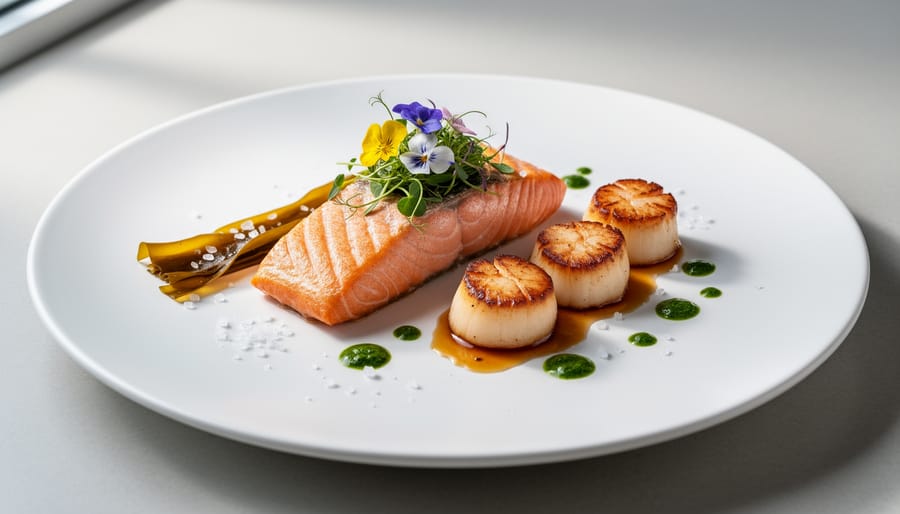
British Columbia’s culinary landscape is defined by the Pacific Ocean and a vibrant multicultural population that has transformed traditional ingredients into something distinctly West Coast. Wild Pacific salmon remains the province’s culinary crown jewel, whether smoked using Indigenous methods passed down through generations, cedar-planked in contemporary restaurants, or featured in Japanese-style sushi bars that dot Vancouver’s waterfront. The five species of Pacific salmon each offer distinct flavours and textures that BC chefs showcase with reverence.
Vancouver’s dining scene exemplifies food science and innovation through its fearless fusion approach. Chinese-Canadian restaurants have evolved beyond traditional Cantonese cooking to create dishes that reflect local ingredients, spot prawns in XO sauce, Dungeness crab prepared Singaporean-style, and sablefish glazed with white miso have become signature preparations. Japanese, Korean, Indian, and Vietnamese communities have similarly adapted their cuisines using BC’s abundant seafood and produce.
The Okanagan Valley has emerged as Canada’s premier farm-to-fork destination, where award-winning wineries pair their bottles with hyper-local menus. Chefs here work directly with farmers and foragers, creating seasonal tasting menus that might feature lake fish, orchard fruits, and wild mushrooms harvested that morning. Indigenous coastal cuisine is experiencing a powerful revival, with First Nations chefs reclaiming traditional foods like salmon candy, seaweed, and bannock while presenting them through modern techniques. This blend of ocean bounty, agricultural excellence, and cultural diversity makes BC essential exploration for any food blogger documenting Canadian cuisine’s cutting edge.
6. The North: Wild Game, Traditional Foods, and Extreme Ingredients
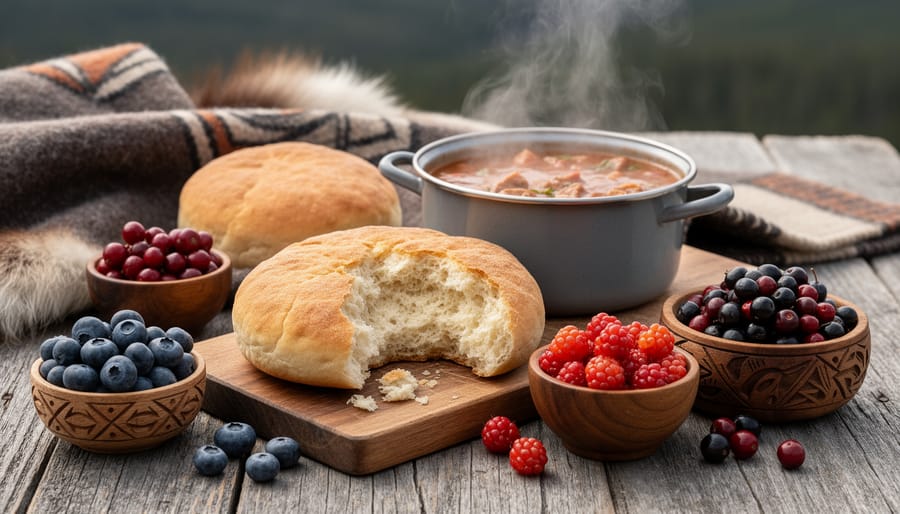
The vast territories of Yukon, Northwest Territories, and Nunavut offer Canada’s most distinctive and challenging food landscape, where Indigenous knowledge systems have sustained communities for millennia through extreme conditions. This isn’t farm-to-table dining, it’s tundra-to-table, where food sovereignty means harvesting what the land and waters provide.
Arctic char stands as the North’s signature ingredient: a cold-water fish with delicate pink flesh that tastes somewhere between salmon and trout. You’ll find it smoked, dried as pipsi, or prepared in contemporary fusion dishes at Yellowknife’s restaurants. Caribou appears in countless preparations, from traditional dried meat to contemporary tartare, its lean game flavour reflecting the animal’s wild diet of lichen and tundra plants.
Bannock remains central to Northern cuisine, though its story is complex, introduced through colonization, it’s been adapted into Indigenous food culture and appears at every community feast and family table. Each cook has their own method, whether fried golden in cast iron or baked until fluffy.
Wild ingredients define Northern cooking in ways southern Canadians rarely experience. Cloudberries, crowberries, and soapberries get preserved into jams or whipped into akutaq (Eskimo ice cream). Muskox, seal, and ptarmigan appear on menus alongside lake trout and whitefish pulled through ice holes.
The North’s food scene directly challenges southern assumptions about Canadian dining. Here, country food isn’t nostalgia, it’s sovereignty, environmental adaptation, and cultural continuity. Food bloggers covering this region need to approach with humility, understanding that these aren’t exotic ingredients for content but rather living traditions facing climate change pressures and food security challenges that make every harvest meaningful.
Practical Information for Exploring Canadian Dining
Exploring Canadian dining requires thoughtful timing and preparation, especially for food bloggers documenting regional specialties. The country’s extreme seasonal variation means spring maple syrup season in Québec offers entirely different experiences than autumn harvest festivals in Ontario’s wine country. Winter transforms prairie cuisine with frozen lake fisheries and ice wine production, while summer opens coastal seafood shacks across the Maritimes. Plan content trips around these natural rhythms rather than fighting them.
Budget expectations vary dramatically by region and dining style. Vancouver and Toronto fine dining can rival major international cities at $150-250 per person, while authentic Acadian kitchen parties or prairie community suppers might cost $30-50. Food halls and markets typically offer the best value for sampling multiple regional specialties in one visit, and they provide excellent content variety for blog coverage. Street food and food trucks, particularly in Montreal and Vancouver, deliver authentic flavours at $12-18 per item.
| Region | Best Season | Average Meal Cost | Signature Event |
|---|---|---|---|
| Atlantic Canada | June-September | $40-80 | PEI Shellfish Festival (September) |
| Québec | March-April, October | $35-90 | Cabane à Sucre Season (March-April) |
| Ontario | May-October | $50-120 | Niagara Wine Festival (September) |
| Prairies | July-September | $30-70 | Taste of Saskatchewan (July) |
| British Columbia | Year-round | $45-110 | Vancouver Food Fest (June) |
Reservation strategies matter more than many visitors expect. Popular restaurants in major cities book 2-4 weeks ahead, while remote dining experiences like Northern fishing lodges require months of advance planning. OpenTable works in urban centres, but many smaller regional gems still prefer phone bookings. For content creators, reaching out directly to chefs often yields behind-the-scenes access that walk-ins never receive.
Document everything with proper permissions. Many restaurants welcome food bloggers but appreciate advance notice for photography. Natural lighting during lunch service produces better images than evening dining, and Canadian food tech trends increasingly include chef collaborations with content creators, making relationship-building valuable beyond single visits. Always ask before photographing in Indigenous communities or at traditional gatherings, where food carries cultural significance beyond mere sustenance.
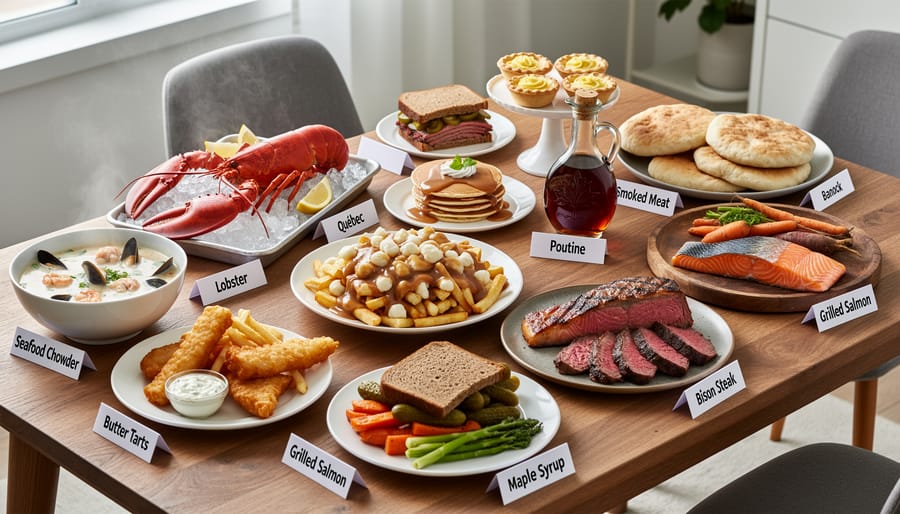
Local Tips from Canadian Food Insiders
Canadian food insiders know that the best dining experiences rarely appear on the first page of Google. Locals congregate at church basements for community suppers, Indigenous-run wild game dinners often pop up through word-of-mouth, and the most authentic regional specialties come from home cooks at farmers’ markets, not restaurants with glossy websites.
To connect with genuine food communities, skip the downtown tourist districts and head to neighbourhood spots where menus aren’t translated and staff might assume you know what you’re ordering. Join local food Facebook groups before you visit, follow regional food bloggers who actually live there, and ask servers where they eat on their days off. The truth is worth more than any curated recommendation list.
When documenting Canadian food stories, respect comes first. Always ask permission before photographing in Indigenous communities or family-run establishments. Many traditional food practices carry cultural significance that shouldn’t be reduced to Instagram content. If you’re covering Indigenous cuisine, compensate knowledge keepers for their time and expertise, credit recipes properly, and understand that some food knowledge isn’t meant to be shared publicly.
- Time your visits around regional harvest festivals and community food events, not just restaurant openings
- Learn basic French greetings before dining in Québec, even in Montreal
- Bring cash for farmers’ markets, food trucks, and smaller rural establishments
- Tip 15-20% consistently, as Canadian servers rely on gratuities
- Book chef’s tables and tasting menus at least two weeks ahead in major cities
- Support Indigenous food sovereignty by dining at Native-owned restaurants and purchasing from Indigenous producers
The real tell for tourist traps? Any restaurant claiming to serve “authentic Canadian poutine” while charging $22 for truffle oil and lobster versions. Authentic spots serve straightforward classics, employ locals, and fill up with regulars who know exactly what they’re ordering before they walk in the door.
Frequently Asked Questions About Canadian Food
What makes Canadian food different from American cuisine?
Canadian cuisine emphasizes regional ingredients shaped by geography and a cultural mosaic approach rather than a melting pot. You’ll find stronger French, British, and Indigenous influences, particularly in Quebec and the Atlantic provinces, plus distinct preparations like Montreal smoked meat versus pastrami, and a focus on wild game and foraged ingredients that reflect Canada’s vast wilderness.
What are the must-try dishes for first-time visitors to Canada?
Start with poutine in Quebec, tourtière during winter, fresh Atlantic lobster rolls in the Maritimes, and butter tarts anywhere. Try bannock and Three Sisters stew to experience Indigenous cuisine, Pacific salmon in BC, and peameal bacon sandwiches in Ontario markets.
How do I find authentic Indigenous food experiences in Canada?
Look for Indigenous-owned restaurants like Salmon n’ Bannock in Vancouver or Kekuli Cafe in BC, attend community feasts or cultural centers that offer traditional meals, and book culinary tours led by Indigenous guides. Many reserves now offer food tourism experiences that support local communities directly.
Are Canadian restaurants expensive compared to the US?
Mid-range dining costs roughly 15-20% more than comparable US cities when accounting for exchange rates and taxes. Budget $20-35 per person for casual meals and $60-100 for upscale dining in major cities, with smaller towns and rural areas offering better value.
Beyond these basics, food bloggers documenting Canadian dining should understand regional timing matters greatly. Lobster season peaks differ across Atlantic provinces, maple syrup harvest runs late winter into early spring, and many farm-to-table restaurants shift menus radically between seasons. Call ahead to confirm signature dishes are available, especially if you’re building content around specific regional specialties.
For those exploring food blogger monetization opportunities, Canadian restaurants often welcome collaboration but expect professionalism, discuss usage rights for photos upfront, arrive on time for tasting appointments, and be transparent about sponsored content. Indigenous food businesses particularly appreciate respectful storytelling that credits their cultural traditions rather than treating them as exotic novelties.
Canada’s culinary landscape offers food bloggers an extraordinary canvas for storytelling. From the lobster traps of the Atlantic to the wild game traditions of the North, each region presents distinct narratives shaped by geography, culture, and history. This diversity isn’t static. Canadian cuisine continues evolving as chefs reimagine traditional dishes, Indigenous food sovereignty movements reclaim ancestral knowledge, and immigrant communities add new layers to the country’s flavor profile.
For those documenting Canadian dining, the real stories live beyond tourist districts. They’re in the hands of a Québécois sugar shack operator explaining maple traditions, an Indigenous chef reviving pre-contact ingredients, or a Prairie farmer serving bison they’ve raised themselves. These authentic voices matter more than generic restaurant reviews.
The guides presented here provide entry points, but your most valuable content will emerge from curiosity and genuine engagement with local food communities. Ask questions. Listen to origin stories. Taste with intention. Canadian cuisine rewards those who dig deeper than the surface-level poutine narrative. As you explore and share these regional food stories, you contribute to a broader understanding of what makes Canadian dining worth celebrating. The table is set. Your perspective adds to the conversation.