

Claim control over your backlinks instead of wondering where to buy backlinks by requesting editable links from recipe roundups, ingredient suppliers, and culinary publications that feature your content. Editable backlinks allow you to update anchor text, destination URLs, and link attributes even after publication, giving Canadian food bloggers unprecedented flexibility as their content strategy evolves.
Negotiate editable link agreements when collaborating with Tourism boards promoting regional cuisine, local farmers’ markets showcasing your recipes, or Canadian food magazines republishing your photography. Include specific clauses in partnership contracts that grant you access to modify links through content management systems or by submitting update requests within 48 hours.
Transform static mentions into dynamic traffic drivers by updating seasonal recipe links as holidays approach, redirecting discontinued product features to current alternatives, and refreshing anchor text to match emerging search trends in Canadian food culture. Monitor your backlink profile monthly to identify opportunities where editable access could improve click-through rates by 40-60% compared to fixed links.
Prioritize building relationships with Canadian food networks, provincial culinary associations, and Indigenous food sovereignty organizations that use modern CMS platforms offering contributor access. These partnerships naturally provide editable backlink opportunities while celebrating the diverse flavors spanning from Newfoundland fish cakes to British Columbia wild salmon preparations, ensuring your link strategy grows alongside Canada’s evolving food narrative.
What Makes Editable Backlinks Different (And Why Canadian Food Bloggers Should Care)

The Flexibility Factor
Picture this: you’ve written a fantastic post about authentic poutine recipes, and another Canadian food blogger links to it. Three months later, you revamp that post with new photos and updated recipes, changing the URL in the process. Normally, you’d lose that valuable backlink or spend time reaching out to update it. This is where editable backlinks become your secret ingredient.
Editable backlinks give you the power to maintain control over your link profile without the hassle of endless email chains. When you create these flexible links, you can update the destination URL whenever your content evolves. Maybe your “Best Butter Tarts in Ontario” post becomes part of a larger regional desserts guide, or you’re redirecting seasonal content from your maple syrup tapping adventures to a comprehensive spring foraging article. With editable backlinks, these changes happen seamlessly on your end.
The real beauty lies in preserving your hard-earned SEO value. Instead of broken links or outdated anchor text that no longer reflects your content, you maintain fresh, relevant connections that serve both your readers and search engine rankings, keeping your Canadian food blogging presence strong and adaptable.
Why Static Backlinks Hold You Back
Traditional static backlinks can become a real headache for Canadian food bloggers whose content is constantly evolving. Think about it: you’ve shared a link to your perfect poutine recipe featuring a specific Montreal cheese curd supplier, but that vendor has since closed or you’ve discovered an even better local source. Maybe you wrote a guide to Toronto’s best brunch spots last year, but three of those restaurants have shuttered since then. With static backlinks, those outdated links continue circulating across the web, pointing readers to information that’s no longer accurate or relevant.
This is especially problematic in the dynamic world of food blogging. Seasonal ingredients change, cooking techniques evolve, and you’re always refining your recipes based on reader feedback and personal experimentation. When your winter tourtière recipe gets an upgrade but the backlinks still point to the old version, you’re missing opportunities to showcase your best work. Static backlinks essentially freeze your content in time, preventing you from adapting to the fluid nature of Canadian culinary trends and keeping your audience informed with your most current, valuable insights.
Real-World Scenarios Where Editable Backlinks Save the Day
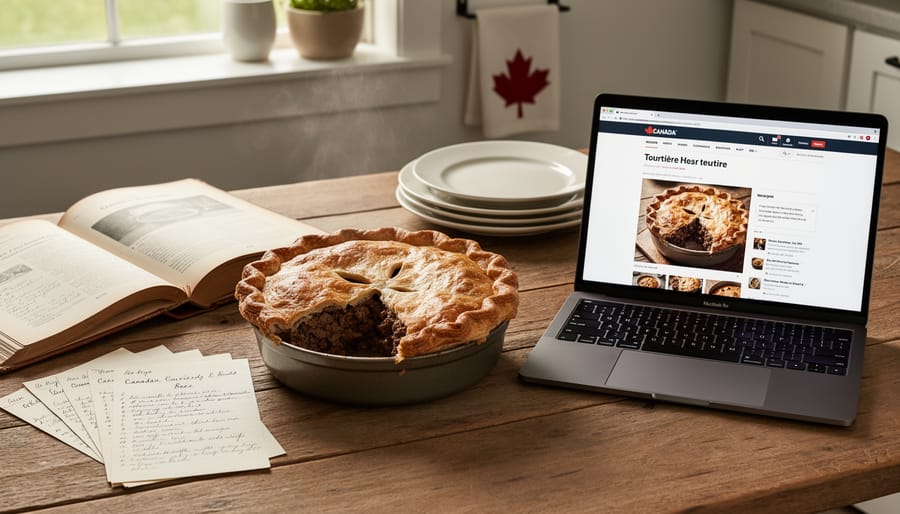
When Your Famous Tourtière Recipe Gets an Upgrade
Picture this: your grandmother’s famous tourtière recipe has been your blog’s star performer for three years, pulling in traffic every holiday season. Then you discover a game-changing technique from a Montreal chef that transforms the crust, and you need to share this revelation with your readers.
Here’s where editable backlinks become your secret ingredient. Instead of starting from scratch with a new post and watching that precious link juice disappear, you can update the destination URL of all those backlinks pointing to your original recipe. Maybe you’ve moved the improved version to a dedicated page, or you’re directing traffic to a comprehensive holiday meat pie guide that includes both versions.
The beauty? Every food forum mention, every roundup feature, and every Pinterest pin that once linked to your original post now seamlessly guides readers to your upgraded content. Your Nanaimo bar tutorial from last year gets refinements, your maple syrup guide expands, and through editable backlinks, all roads lead to your best work. No broken links, no disappointed readers clicking through to outdated recipes, and no lost SEO value from years of organic link building.
Seasonal Content That Stays Fresh Year-Round
Canadian food content follows beautiful seasonal rhythms, and editable backlinks let you keep those connections fresh as your content library grows. Imagine you published a comprehensive guide to Ontario’s maple syrup season back in 2021. That post might have linked to a basic pancake recipe, but two years later, you’ve created an amazing maple-glazed salmon dish and maple butter tart feature. With editable backlinks, you can update that original seasonal guide to showcase your best current maple content without republishing the entire post.
The same strategy works brilliantly for seasonal berry recipes throughout summer. Your initial strawberry picking guide from the Fraser Valley can evolve its internal links as you develop new preserve recipes, dessert features, or profiles of local berry farmers. This approach keeps older seasonal content working hard year after year, directing readers to your freshest recipes and stories while maintaining the authentic publication dates that search engines value.
Restaurant Reviews When Establishments Close or Rebrand
We’ve all been there – you write a glowing review of that amazing poutinerie in Montreal or the farm-to-table gem in Victoria, only to discover months later that they’ve closed their doors or completely rebranded. It’s heartbreaking, not just because we miss those incredible dishes, but because our readers now hit a frustrating dead end when clicking through to learn more.
This is where editable backlinks become absolute lifesavers for Canadian food bloggers. Instead of leaving readers disappointed with a broken link or outdated information, you can quickly update the destination to reflect the restaurant’s new identity, a similar establishment in the neighbourhood, or even a retrospective piece about beloved eateries that have closed. When that beloved Ukrainian restaurant in Toronto’s west end transforms into a modern Korean fusion spot, your backlink can evolve right along with it. You maintain the trust and value you’ve built with your audience while keeping your content fresh and relevant. Rather than scrambling to rewrite entire posts or leaving outdated links scattered across your site, you simply adjust the destination and your readers continue enjoying a seamless experience discovering Canada’s ever-changing culinary landscape.
How to Get Started with Editable Backlinks for Your Food Blog
Building Relationships with Fellow Canadian Food Bloggers
Building genuine connections with fellow food bloggers across Canada opens doors to collaborative opportunities that benefit everyone involved. Start by actively engaging with bloggers whose content resonates with you—leave thoughtful comments on their posts about butter tarts or Montreal-style bagels, share their recipes on social media, and participate in conversations about regional Canadian ingredients.
Consider joining Canadian food blogging Facebook groups and forums where you can connect authentically before discussing backlink exchanges. Many successful Canadian food bloggers built their networks by attending food festivals, local culinary events, and virtual meetups specifically for Canadian content creators.
When you’ve established rapport, propose mutually beneficial arrangements like guest posting opportunities, recipe roundups featuring Canadian regional specialties, or collaborative content projects. Be specific about how editable backlinks work and why they’re valuable for both parties. For instance, you might create a roundup of the best poutine recipes across provinces, linking to fellow bloggers while they reciprocate with links in their Maritime seafood guides or Prairie comfort food collections.
Remember, authentic relationships always come before transactional link exchanges. Focus on building a supportive community where everyone grows together, celebrating our diverse Canadian food landscape from coast to coast to coast.

Platforms and Tools That Make It Easy
Good news, eh? Managing editable backlinks doesn’t require you to become a tech wizard. Several user-friendly platforms make it easy for Canadian food bloggers to track and update their links without touching a line of code.
Start with Google Sheets or Airtable to create a simple backlink database. Track where you’ve mentioned other bloggers, recipe sources, or Canadian food businesses, and you’ll have everything organized in one spot. These free tools let you add columns for URLs, dates, and notes about why you linked to each source.
For WordPress users, plugins like Link Whisper and Internal Link Juicer automatically suggest relevant internal links as you write. They’re lifesavers when you’re publishing a new poutine recipe and want to reference your previous post about Quebec cheese curds.
Blogger outreach platforms such as BuzzStream help manage relationships with fellow Canadian food creators. You can track conversations, link exchanges, and collaborative opportunities all in one dashboard.
If you’re collaborating with local chefs or participating in recipe roundups across the prairies to the maritimes, tools like Trello keep everyone on the same page about which links need updating and when. The key is choosing whatever system feels natural for your workflow and sticking with it.
Creating Content Worth Linking To
The secret to earning organic backlinks lies in creating content so compelling that other bloggers, journalists, and food enthusiasts can’t help but reference it. Start by showcasing what makes Canadian cuisine extraordinary. Develop comprehensive regional recipe guides that celebrate our diverse food heritage, from Acadian rappie pie to Saskatchewan’s saskatoon berry desserts. These uniquely Canadian recipes naturally attract links from other food writers seeking authentic resources.
Consider creating detailed profiles of local chefs, farmers, and artisan producers who are shaping Canada’s culinary landscape. These human-interest stories resonate deeply and encourage sharing within the community. Another link-worthy approach is developing seasonal ingredient guides that highlight Canadian products at their peak, like Ontario peaches in August or BC spot prawns in May.
Don’t forget about original research content. Survey your readers about their favourite regional dishes or document disappearing family recipes from different cultural communities across Canada. This type of exclusive content becomes a reference point for other food writers and journalists, making it invaluable for building your backlink profile while celebrating our rich culinary tapestry.
Smart Ways to Use Editable Backlinks in Your Content Strategy
Building Resource Pages That Grow with You
Think of resource pages as your blog’s living recipe collection – they’re meant to evolve and improve over time. Creating comprehensive guides like “The Ultimate Guide to Canadian Poutine by Province” or “Your Complete Canadian Maple Syrup Primer” gives you powerful content that naturally attracts backlinks from fellow bloggers, tourism sites, and food publications.
The beauty of these evergreen pages lies in their flexibility. When you discover a fantastic new fromagerie in Quebec or a buzzworthy restaurant serving innovative bannock in Winnipeg, simply update your resource page and reach out to the sites linking to you. Most will appreciate the heads-up about fresh content, and you maintain those valuable backlinks while keeping your authority current.
Start with topics you’re passionate about and that showcase our incredible Canadian food landscape. Build your initial page with solid research, then set quarterly reminders to refresh the content. Add seasonal ingredients, spotlight emerging Indigenous food entrepreneurs, or include reader recommendations. Each update becomes an opportunity to re-engage your linking partners and potentially earn new backlinks from sources covering the additions you’ve made.
Seasonal Roundups That Stay Relevant
Seasonal roundups are your secret weapon for evergreen content that keeps delivering value year after year. Think about creating comprehensive guides like “The Ultimate Guide to Canadian Thanksgiving Sides” or “Summer Berry Recipes Across the Provinces” that you can refresh annually with updated links, new recipes, and fresh backlinks. The beauty of seasonal Canadian content is that readers actively search for it at predictable times, making it perfect for building lasting link authority.
Structure these posts with clearly labeled sections that are easy to update. Include spaces for featuring new Canadian producers, updated ingredient sourcing tips, and links to fellow bloggers’ seasonal creations. When fall rolls around again, simply refresh your pumpkin roundup with new recipes, update broken links, and reach out to bloggers you’ve featured to let them know they’re included. This approach not only maintains your backlink profile but also encourages reciprocal linking as other bloggers appreciate being highlighted in your updated seasonal guides.
Collaboration Opportunities with Local Chefs and Restaurants
Reaching out to local chefs and restaurant owners opens exciting doors for editable backlink partnerships. Start by identifying Canadian culinary professionals whose values align with your blog’s focus. Perhaps you’ve featured a Toronto chef’s signature poutine recipe or highlighted a Vancouver restaurant’s innovative seafood dishes. These authentic connections make collaboration natural and beneficial for both parties.
When approaching potential partners, pitch collaborative content ideas like recipe features, behind-the-scenes kitchen stories, or ingredient spotlights that showcase their expertise while supporting local restaurants. Offer to create engaging blog posts featuring their culinary creations with editable backlinks to their websites, while they can reciprocate by linking to your content from their platforms or social media.
Consider organizing virtual cooking sessions with local chefs or creating seasonal recipe roundups featuring multiple Canadian restaurants. These collaborative efforts generate fresh content opportunities and establish ongoing relationships that naturally produce quality backlinks, strengthening both your online presence and Canada’s vibrant food community.
Avoiding Common Pitfalls (What Not to Do)
Don’t Over-Edit Your Way to Penalties
Here’s the thing about editable backlinks – having the ability to update them doesn’t mean you should be constantly tinkering with them. Search engines like Google have sophisticated algorithms that can detect unusual patterns, and if you’re editing your anchor text, URLs, or surrounding content too frequently, you might trigger some red flags.
Think of it like updating your poutine recipe on your blog. A few tweaks to perfect the gravy consistency? That’s natural evolution. Completely changing the recipe every other week? That starts to look suspicious, like you’re trying to game the system rather than provide genuine value to your readers.
A good rule of thumb for Canadian food bloggers is to make edits only when truly necessary – fixing broken links, updating outdated information about seasonal ingredients, or correcting genuine errors. If you’re updating a backlink to your maple syrup guide, make sure the changes enhance the user experience rather than just chasing SEO trends. Keep a simple log of your edits so you can track patterns and ensure you’re not overdoing it. Remember, consistency and authenticity are what build trust with both your audience and search engines.
Maintaining Authenticity and Trust
When updating those editable backlinks, think of them as recommendations you’d give to a friend exploring your favorite Montreal bistro or Vancouver farmers market. The trust your readers place in you is the foundation of your blog’s success, and that authenticity is what sets Canadian food bloggers apart in our tight-knit community.
As you refresh old links, always ensure the new destination matches the original context. If you wrote about sustainable maple syrup producers in Quebec three years ago and the link needs updating, direct readers to another ethical producer with similar values, not just any random syrup brand. Your audience trusts your voice because you’ve built credibility through honest, thoughtful recommendations.
Transparency matters too. When you’ve made significant changes to where a link points, consider adding a quick editor’s note. Something simple like “Updated 2024: This amazing bakery has relocated” maintains that genuine connection readers appreciate. This approach preserves the integrity that Canadian food writers have become known for while keeping your content fresh and relevant.
As Canadian food bloggers, we’re part of something truly special—a vibrant community that celebrates everything from Newfoundland toutons to British Columbia wild salmon, and every delicious creation in between. Editable backlinks aren’t just another SEO tactic to add to your toolkit; they’re an opportunity to build genuine connections with fellow bloggers who share your passion for Canadian culinary traditions.
Think of editable backlinks as your contribution to a thriving digital potluck. When you create thoughtful, valuable content that other bloggers want to link to, you’re not just boosting your search rankings—you’re fostering relationships that can lead to recipe collaborations, joint projects, and a stronger food blogging community from coast to coast to coast.
The beauty of this approach is that it rewards quality and authenticity, two values that Canadian food bloggers already embrace naturally. By focusing on creating resources that genuinely help others—whether that’s a comprehensive guide to prairie grains or tips for photographing poutine—you’re investing in both your own growth and the success of your peers.
So start small. Choose one area where you have expertise to share. Create something helpful. Reach out to fellow Canadian food bloggers with generosity and curiosity. Watch how these connections multiply and transform not just your traffic numbers, but your entire blogging experience. Together, we’re building something delicious.