
Cooking for gains is the intersection of meal prep and muscle building, where fitness-focused home cooks craft high-protein, macro-balanced meals designed to fuel workouts and accelerate body composition goals. This approach has evolved from simple chicken-and-rice routines into a full-fledged content niche, complete with branded cookbooks, structured meal plans, and dedicated communities of Canadian food bloggers who are turning gym nutrition into culinary entertainment.
If you’re a Canadian food blogger wondering whether this trend has legs in your market, the answer is yes. Fitness nutrition content consistently drives engagement because it solves a real problem: people want to build muscle or lose fat, but they’re tired of bland, repetitive meals. The “cooking for gains” movement addresses that fatigue by teaching home cooks how to create satisfying, flavourful dishes that still hit their macros.
What makes this niche particularly appealing for Canadian creators is the opportunity to localize the content. You can spotlight Prairie beef, Maritime seafood, and Quebec dairy while demonstrating portion control, meal timing, and nutrient density. The fitness crowd is hungry for regional twists on classic bodybuilding staples, and Canadian ingredients offer plenty of room for innovation.
This article will walk you through the mechanics of the trend, show you how to build content that resonates with fitness enthusiasts, and outline monetization strategies that go beyond ad revenue. Whether you’re pivoting from traditional recipe blogging or launching fresh, you’ll find a roadmap for carving out your space in this growing category.
What ‘Cooking for Gains’ Really Means for Food Content Creators
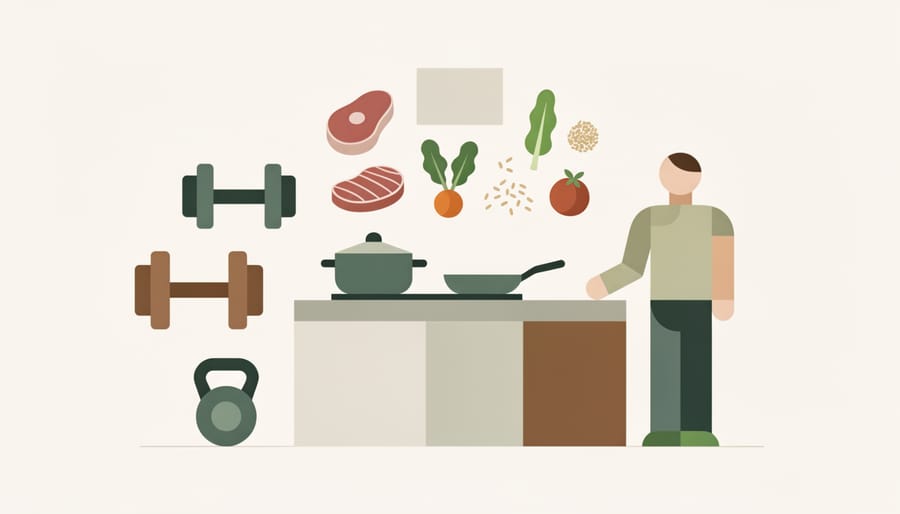
Cooking for gains represents a fundamental shift in how people approach kitchen work, it treats the stovetop as a tool for building strength, recovery, and performance, not just satisfying hunger. Unlike traditional healthy cooking, which often focuses on weight loss, clean eating, or general wellness, gains-focused content starts with a specific question: what does this meal do for my body’s goals?
The movement borrows precision from sports nutrition, tracking protein, carbohydrates, and fats, but rejects the bland chicken-and-broccoli stereotype that dominated bodybuilding culture for decades. Instead, it applies culinary technique to functional eating. You’ll see Canadian food creators developing butter chicken with 45 grams of protein per serving, or reinventing bannock as a high-protein breakfast vessel. The nutrition targets come first, but flavour and satisfaction aren’t negotiable.
What makes this different from standard healthy recipe content is the intentionality. A typical wellness blog might share a quinoa bowl and call it nutritious. A gains-focused creator breaks down exactly why that bowl works for muscle recovery after a morning workout, explains the leucine content in the Greek yogurt topping, and suggests timing strategies. It’s purpose-driven cooking with transparent math.
This approach resonates beyond gym culture because the principles work for anyone with physical demands, shift workers needing sustained energy, parents chasing toddlers, students managing cognitive load, or older adults working to preserve muscle mass. The audience isn’t bodybuilders; it’s people who’ve realized their daily performance depends on what they cook.
For food bloggers, this creates space to merge storytelling with structure. You’re not abandoning your culinary voice to become a nutrition calculator. You’re adding a functional layer that answers “why should I make this tonight?” with something more compelling than “it tastes good”, though it still needs to deliver on that promise too.
Why This Niche Is Exploding in the Canadian Food Blogging Scene
The explosion of cooking for gains content in Canada isn’t happening in a vacuum, it’s the result of several cultural and practical shifts colliding at exactly the right moment.
Home cooking saw a massive resurgence during pandemic lockdowns, and unlike many temporary changes, this one stuck. Canadians who discovered they actually enjoyed cooking didn’t return to their old takeout habits. Instead, they started asking different questions: not just “what tastes good?” but “what does this food do for me?” That functional mindset opened the door for gains-focused content to flourish.
Several factors are driving this momentum specifically in the Canadian market:
- The normalization of fitness culture beyond hardcore gym-goers, yoga studios, CrossFit boxes, and boutique fitness classes have made strength training part of mainstream wellness
- Rising food costs pushing people to cook strategically rather than reactively
- A younger demographic (millennials and Gen Z) who view food prep as content-worthy and Instagram meals as standard practice
- Growing interest in Physical activity among Canadians creating demand for nutrition content that supports active lifestyles
What makes this particularly powerful is the demographic overlap. The person searching for high-protein recipes at 7 a.m. before the gym is often the same person scrolling food blogs for weekend dinner inspiration. They’re not choosing between fitness and food appreciation, they want both, and they’re hungry for content that doesn’t make them pick sides.
Canadian food bloggers are uniquely positioned to serve this audience because we’ve never approached food with the puritanical restrictions common in American diet culture. We can talk about performance nutrition without demonizing butter or pretending that food is just fuel. That balanced perspective is exactly what gains-focused home cooks are looking for.
Content Strategies That Work for Gains-Focused Food Blogging
Macro-Friendly Recipe Development
The secret to successful macro-friendly recipe development isn’t cramming every detail into a nutrition label at the top of your post. Instead, weave the numbers into your narrative. When you’re describing your high-protein blueberry pancakes made with Canadian cottage cheese, mention that each stack delivers 28 grams of protein in the same breath you’re talking about their fluffy texture and wild blueberry burst. The macros become part of the story, not a spreadsheet interruption.
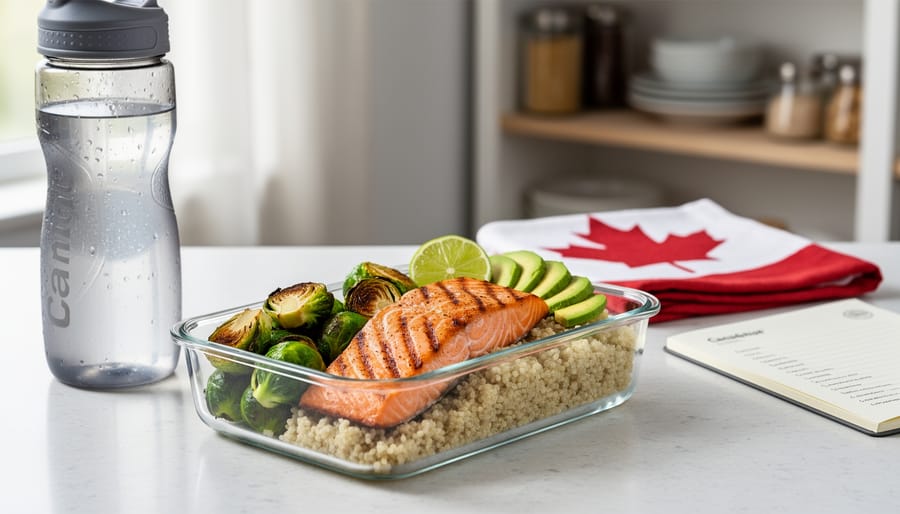
Your food photography plays an equally vital role in making gains-focused recipes feel approachable. That grain bowl packed with 45 grams of protein needs to look vibrant and craveable first, nutritious second. Shoot in natural light, use props that tell a story (a gym water bottle in the background, fresh herbs from a Canadian farmer’s market), and show the food being enjoyed rather than just plated. The best gains content makes readers want to cook the recipe because it looks delicious, then they discover it happens to hit their macro targets perfectly.
Balance is everything when presenting nutritional breakdowns. Include the full macro information where readers expect it, in your recipe card, but don’t let it dominate your writing voice. Share why you chose specific ingredients (hemp hearts add healthy fats and a nutty flavour while boosting protein), discuss texture and taste prominently, and treat the nutritional benefits as a bonus feature rather than the sole selling point. Your readers came for inspiring food content that happens to support their goals, not a biology lecture with photos attached.
Meal Prep Content That Engages Beyond the Gym Crowd
Meal prep content resonates far beyond the weight room when you frame it around universal pain points: saving time, reducing food waste, and eating better on a hectic schedule. A parent packing school lunches needs the same batch-cooking efficiency as someone tracking macros, and a student juggling classes values quick, affordable meals just as much as a bodybuilder values protein.
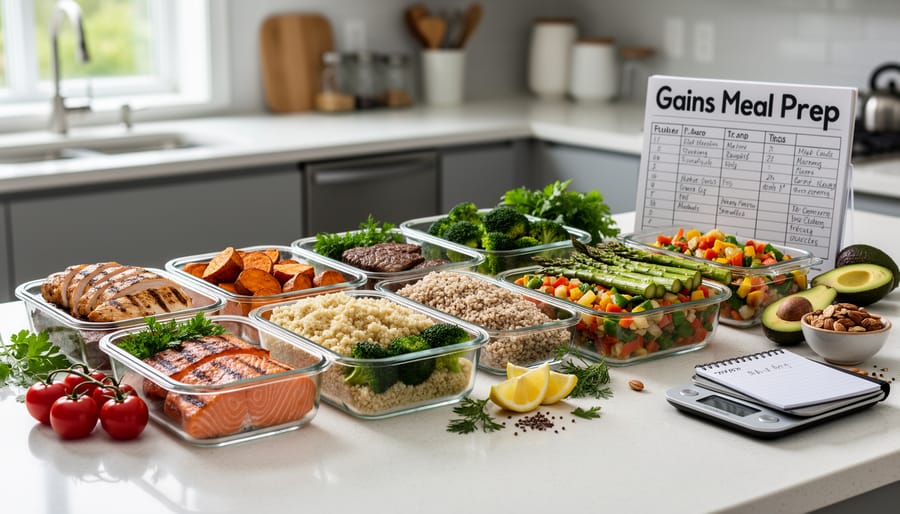
Lead with the problem, not the protein count. Instead of “high-protein chicken meal prep for muscle building,” try “Sunday prep that gives you five grab-and-go lunches.” The nutrition details can live in the recipe card, but the hook should speak to convenience and flavor first. Show the Tupperware lineup, the relief of not cooking on Wednesday night, the money saved by skipping takeout.
Make your process visible and achievable. Film the full two-hour cook session in real time, mistakes included, rather than a polished montage. Explain how you chose recipes that share ingredients, roasted vegetables that work in three different meals, one protein cooked two ways. Parents will appreciate the efficient grocery list; fitness enthusiasts will notice the macro balance without you hammering it.
Highlight flexibility over rigidity. Show how the same base components transform: roasted chicken thighs become grain bowls for some family members and lettuce wraps for others. This approach signals that gains-focused cooking isn’t about restriction, it’s about intentional preparation that adapts to different goals and preferences, whether that’s building muscle, managing a busy week, or simply eating home-cooked food more often.
Leveraging Canadian Ingredients for Performance Nutrition
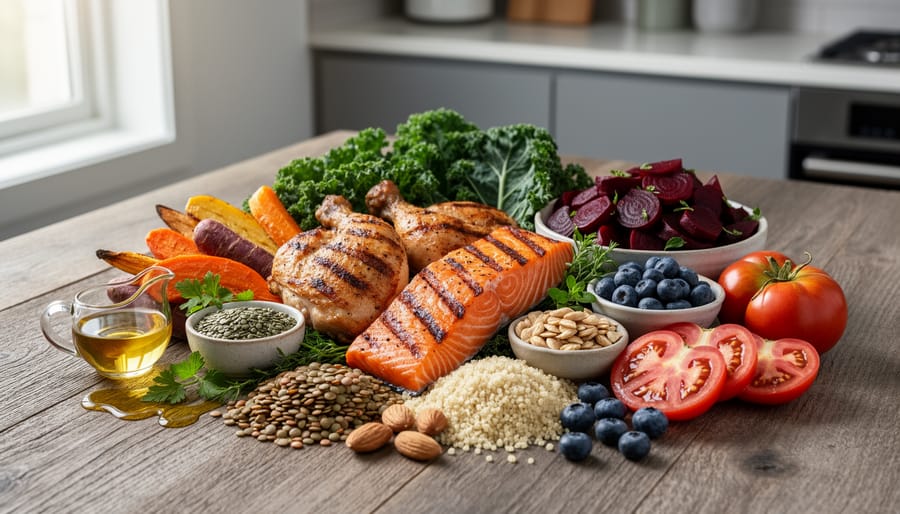
Canada’s food landscape offers a natural advantage for performance nutrition content, with ingredients that deliver both exceptional macronutrient profiles and genuine cultural connection. Instead of relying on imported superfoods, you can build compelling gains-focused recipes around what’s already thriving in our backyards and waters.
Bison stands out as a uniquely Canadian protein source with roughly 24 grams of protein per 100 grams and less fat than conventional beef. It’s leaner than chicken thigh and carries the story of regenerative prairie ranching, giving your content both nutritional credibility and regional authenticity. Wild-caught salmon from British Columbia delivers around 25 grams of protein per serving along with omega-3s that support recovery, and the visual drama of pink-fleshed fish makes for striking food photography that performs well across platforms.
Hemp hearts, grown extensively across the Prairies, provide about 10 grams of protein per three tablespoons with all essential amino acids, making them ideal for plant-based gains content. They work seamlessly in everything from smoothie bowls to salad toppers without the grainy texture issues of some protein powders. Prairie lentils offer similar versatility, with 18 grams of protein per cooked cup and fiber that helps with satiety during cutting phases.
Canadian dairy, particularly Greek yogurt and cottage cheese from Ontario and Quebec producers, delivers high-quality whey protein at accessible price points. These ingredients allow you to create wild game recipes and familiar comfort foods that hit macro targets without feeling like diet food. The key is framing these ingredients through a performance lens while honoring their regional roots and traditional preparations.
What’s Actually Selling in the Cooking for Gains Market
The gains-focused food market has matured into a legitimate revenue opportunity for content creators, with digital products dominating the landscape. E-cookbooks represent the entry point for most food bloggers, typically priced between $24.99 and $75 in 2026. The higher end of this range often includes ongoing updates or bonus content, Cooking For Gains, for example, sells their 2026 e-cookbook with weekly updates for $75, reduced from $100. Specialized niche cookbooks, like their sauce and seasoning guide, sit at the lower end around $24.99, making them accessible impulse purchases for followers.
| Product Type | Typical Format | 2026 Price Range |
|---|---|---|
| E-Cookbooks | PDF with macro breakdowns | $25, $75 |
| Structured Programs | 8-24 week meal plans | $150, $350 |
| Specialty Guides | Focused collections (sauces, snacks) | $20, $30 |
Structured programs command significantly higher prices, reflecting the planning and customization involved. Eight-week programs start around $150, while comprehensive 24-week meal plans reach $350. These aren’t just recipe collections, they typically include shopping lists, prep schedules, and progressive nutrition guidance. The pricing scales roughly proportionally with duration, suggesting consumers understand the value proposition: longer commitment periods justify higher investment.
What’s notably absent from successful products are one-off recipe sales or generic healthy eating guides. The market rewards specificity and structure. Buyers want clear macronutrient targets, meal timing strategies, and recipes designed around training goals. Canadian bloggers entering this space should focus on creating cohesive programs rather than scattered recipe content, and price confidently based on the planning work and ongoing support provided.
Building Credibility in the Fitness Nutrition Space
You don’t need credentials as a registered dietitian to create valuable gains-focused content, but you do need clarity about where your expertise begins and ends. Your strength lies in making nutritious food taste incredible and teaching cooking techniques, not prescribing nutrition protocols or training advice. Lead with what you know best: ingredient selection, flavour development, meal prep efficiency, and the culinary side of performance nutrition.
Smart collaboration amplifies your credibility without overstepping. Partner with Canadian kinesiologists, sports nutritionists, or certified trainers who can review your macro calculations or provide quotes that ground your recipes in science. When you network together with fitness professionals, you create content that’s both delicious and defensible. These partnerships often emerge naturally through local gym communities or wellness events where you can support local health businesses while building your authority.
Disclaimers matter, but they shouldn’t read like legal boilerplate shoved at the bottom of every post. Integrate them naturally: “I’m sharing how I prep high-protein meals, not prescribing a diet plan” works better than a paragraph of fine print. Position yourself as the cooking expert who happens to understand macros, not the nutrition authority who also cooks.
Study how established creators frame their expertise. A food blogger interview often reveals how successful voices navigate this boundary, focusing on recipe innovation while leaving individualized nutrition advice to licensed professionals. Your role is teaching people to cook better food that supports their goals, not telling them what those goals should be or how many grams of protein they personally need. That distinction protects both you and your readers while letting your culinary expertise shine.
How to Differentiate Your Content in This Growing Market
The gains-focused cooking space is filling up fast, but there’s still room for voices that bring something distinctive. Canadian food bloggers have a natural advantage here: you’re sitting on a treasure trove of regional ingredients, cultural traditions, and culinary approaches that haven’t been mined for the fitness crowd yet.
Consider how you’d tackle poutine for performance, swapping standard fries for baked or air-fried sweet potato, using a protein-rich cheese curd ratio that hits macro targets, building a bone-broth gravy that adds collagen instead of empty calories. Or reimagine tourtière with lean game meat, quinoa alongside the traditional filling, and a whole-grain crust that delivers fiber without sacrificing flakiness. These aren’t gimmicks; they’re genuine expressions of Canadian food culture adapted for functional eating.
The vegetarian and vegan angles remain surprisingly underserved. Most gains content still defaults to chicken and salmon, but Canadian ingredients like hemp hearts, lentils, tempeh, and nutritional yeast can anchor high-protein plant-based recipes that taste like real food. If you’ve got experience with dal, you’re already ahead, pulses are muscle-building staples that don’t require a carnivore mindset.
- Focus on a specific provincial or regional cuisine, Maritime seafood gains, Prairie bison bowls, Quebecois comfort food adapted for macros
- Target a budget constraint that others ignore, show how to hit 150g protein daily on $50 a week using Canadian grocery prices
- Lean into cultural fusion your audience will recognize, butter chicken with macro-friendly naan, Korean bibimbap with calculated portions
- Position around a lifestyle reality, shift-worker meal prep, student-budget gains, or family cooking that satisfies both kids and your training goals
Your differentiation doesn’t need to be flashy. It needs to be specific and consistent. Pick the angle that genuinely reflects your cooking style and knowledge, then deliver it with enough depth that readers can’t get the same perspective elsewhere. The bloggers who’ll own this niche aren’t trying to copy what’s working in the US market, they’re translating gains cooking through a lens only Canadians can provide.
Monetization Opportunities Worth Exploring
Canadian food bloggers entering the gains niche have multiple revenue streams to explore, each offering different earning potential and audience connection levels. The key is choosing opportunities that align with your content style and genuinely serve your community.
Digital cookbooks remain one of the most straightforward ways to monetize your blog. Successful gains-focused e-cookbooks in 2026 are priced between $24.99 for specialized collections (like sauce and seasoning guides) and $75 for comprehensive recipe libraries with ongoing updates. This pricing reflects the specialized knowledge and macro calculations you’re providing beyond standard recipe content.
Structured meal plans offer recurring revenue potential. Programs ranging from 8-week plans ($150) to 24-week comprehensive programs ($350) demonstrate that audiences will invest in organized, results-oriented content. For Canadian bloggers, you might create seasonal meal plans featuring local ingredients or budget-conscious versions using ingredients from Costco or No Frills.
Sponsored partnerships with Canadian protein brands like Proteina, Canadian Protein, or Kaizen represent natural fits. Rather than generic supplement promotions, focus on partnerships that let you showcase the products in actual recipes, whey protein pancakes using a local brand, for instance. These collaborations work best when the product genuinely improves the cooking process or final dish.
Affiliate programs for kitchen equipment (meal prep containers, food scales, blenders) convert well because your audience is actively setting up for batch cooking. Virtual or in-person workshops teaching macro-friendly cooking techniques add another dimension, letting you connect directly with your community while generating income.
The most sustainable approach balances monetization with consistent free content that builds trust and demonstrates your expertise before asking for investment.
The cooking for gains movement isn’t about rigid meal plans or turning your kitchen into a sterile prep lab. It’s about bringing purpose and intention to your cooking while keeping the joy and creativity that drew you to food blogging in the first place. Canadian food bloggers are perfectly positioned to lead this conversation, blending our diverse culinary heritage with functional nutrition that actually tastes like something worth eating.
This niche rewards authenticity over perfection. You don’t need a nutrition degree or a competition physique to create valuable content here. Your strength as a food creator, your ability to make ingredients shine, tell stories through recipes, and connect with readers, matters more than hitting exact macro ratios. Start small: pick one favourite recipe and reimagine it with gains-focused adjustments. Share what works in your own kitchen, celebrate Canadian ingredients that fuel performance, and invite your audience into the process.
The fitness nutrition space needs more voices that prioritize nourishment and pleasure over restriction. Your perspective as a food-first creator can change how people think about eating for their goals. Experiment, stay curious, and remember that the best gains-focused content empowers readers to cook confidently, not eat formulaically.