
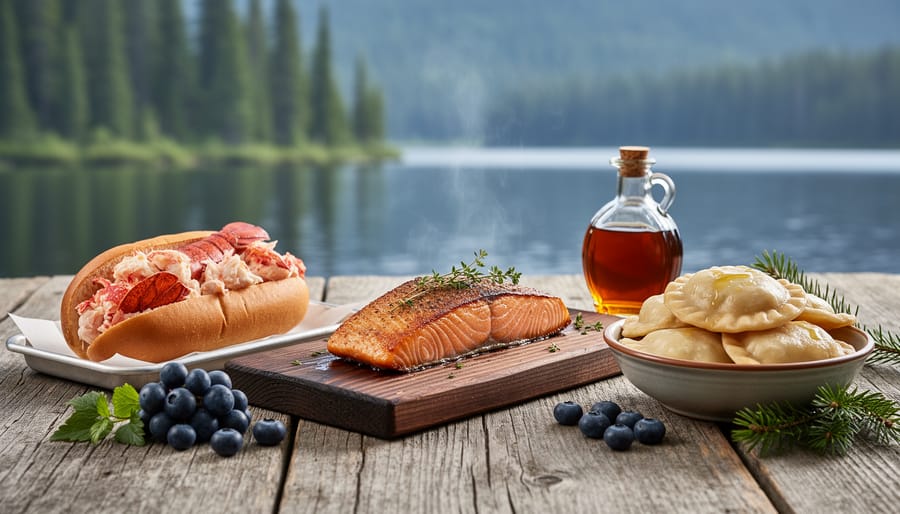
Canada’s ten provinces and three territories each tell a distinct culinary story, shaped by geography, immigration patterns, and centuries of tradition. From the lobster pounds of the Maritimes to the salmon lodges of British Columbia, understanding these regional dining areas transforms how you write about Canadian food and opens doors to authentic content that resonates with local audiences.
The culinary map of Canada reflects dramatic shifts in landscape and culture. Quebec’s sugar shacks and tourtière bear little resemblance to Alberta’s cattle ranches and beef barns. Newfoundland’s salt cod traditions stand worlds apart from Saskatchewan’s Ukrainian-influenced perogies and Doukhobor borscht. These aren’t just interesting footnotes for travel writers. They’re the foundation of regional food blogging that connects with communities, earns trust, and opens collaboration opportunities with local chefs, producers, and tourism boards.
For Canadian food bloggers working in 2026, provincial expertise matters more than ever. Readers expect nuanced coverage that goes beyond poutine stereotypes. Tourism organizations seek writers who grasp the difference between Acadian rappie pie and Quebecois tourtière, who know why wild blueberries taste different in Manitoba than Nova Scotia, and who can explain the Indigenous roots of bannock across multiple territories without treating it as a monolithic dish.
This guide walks you through each province’s signature ingredients, historical influences, and the stories that give their cuisine meaning.
Why Explore Provincial Dining Cultures Across Canada
Canada’s culinary landscape stretches across ten provinces and three territories, each shaped by distinct forces that create food cultures as varied as the country itself. From the Pacific salmon runs of British Columbia to the cod fisheries of Newfoundland, geography dictates what grows, swims, and thrives in regional kitchens.
But ingredients tell only part of the story. Waves of immigration have layered flavors across provinces differently. Manitoba’s Filipino community has transformed Winnipeg’s dining scene. Quebec’s French heritage continues to define its food identity centuries later. Ontario’s multicultural cities showcase global cuisines while preserving British-influenced traditions like butter tarts.
Indigenous food ways form the foundation beneath it all. Long before European contact, First Nations, Métis, and Inuit peoples developed sophisticated food systems adapted to their territories. Three Sisters agriculture in Ontario, salmon preservation techniques in British Columbia, and Arctic country food traditions in the territories remain vital to understanding authentic Canadian cuisine. These aren’t historical footnotes; they’re living culinary practices experiencing renewed celebration and recognition.
Regional agriculture adds another dimension. Saskatchewan’s wheat fields produce different food cultures than Prince Edward Island’s potato farms or Ontario’s Niagara fruit belt. Climate, soil, and growing seasons shape what people eat and how they preserve it.
For food bloggers, this diversity isn’t just interesting background. It’s your competitive advantage. Readers crave authentic stories about real places and the people who feed them. Understanding why Quebecers celebrate sugar shacks each spring or how Alberta’s ranching heritage influences modern steakhouses gives your content depth that generic recipe posts can’t match. Provincial differences offer endless angles for fresh, engaging food writing rooted in place and tradition.
1. British Columbia: Pacific Bounty and Farm-to-Table Innovation
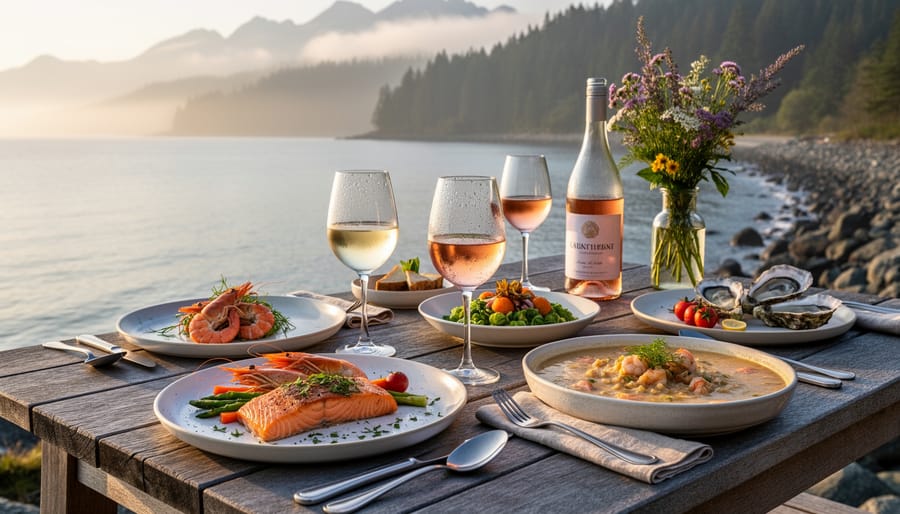
British Columbia’s culinary landscape reflects its position on the Pacific Rim, where ocean meets orchard and global influences blend with local terroir. The province’s seafood culture centres on spot prawns, wild salmon (especially sockeye and spring varieties), halibut, and Dungeness crab. Vancouver Island oysters have achieved international recognition, with varieties like Fanny Bay and Kusshi commanding premium prices. Indigenous communities have led the conversation around sustainable harvesting practices, particularly for salmon and herring roe, teaching non-Indigenous chefs about responsible sourcing long before it became trendy.
Vancouver’s dining scene showcases the city’s Asian majority population, with authentic dim sum in Richmond, Japanese izakayas along Robson Street, and regional Chinese cuisines from Sichuan to Cantonese. This multicultural foundation drives innovation that aligns with emerging food science trends from koji fermentation experiments to plant-based seafood alternatives developed locally.
The Okanagan Valley produces over 80% of BC’s wine, with Pinot Gris and Merlot thriving in the region’s desert-like climate. Winery restaurants like Mission Hill and Quails’ Gate pair estate wines with hyper-local menus featuring peaches, cherries, and heritage tomatoes. Summer fruit stands line Highway 97, offering food bloggers endless content opportunities.
Indigenous food sovereignty movements have gained momentum across BC, with restaurants like Salmon n’ Bannock in Vancouver and community initiatives reclaiming traditional ingredients like camas bulbs, nettles, and seaweed. Haida Gwaii and Tofino offer particularly rich experiences for bloggers interested in documenting this resurgence, though approaching these stories requires cultural sensitivity and proper permission.
2. Alberta: Prairie Heritage and Beef Country
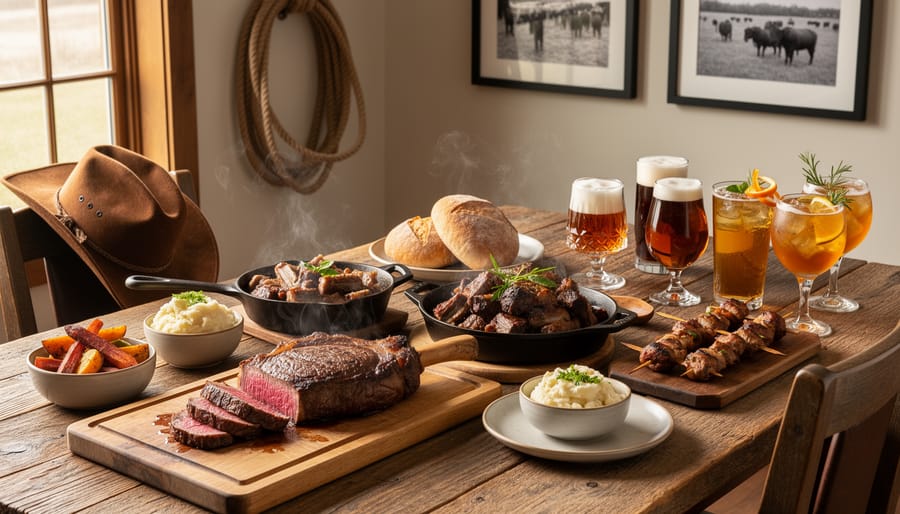
Alberta’s culinary identity is inseparable from its ranching heritage. The province produces some of Canada’s finest beef, and this shows in everything from high-end steakhouses to casual chuck wagon dinners. Calgary, home to the annual Stampede, embraces its cowboy culture through its dining scene, expect AAA Alberta beef prepared in every conceivable way, from classic cuts at established spots like Caesar’s Steakhouse to innovative preparations at newer establishments experimenting with dry-aging and charcuterie.
The beef reputation is well-earned. Alberta’s grasslands and grain-finishing operations create marbling and flavour that rival any beef-producing region globally. For food bloggers, this means access to exceptional meat stories: visit working ranches, interview fourth-generation cattlemen, or document the farm-to-table journey at restaurants sourcing directly from nearby producers.
Edmonton offers a different flavour profile. The city’s food festival calendar runs year-round, with events like Taste of Edmonton and the Night Market showcasing the province’s surprising diversity. Ukrainian influences run deep here, expect perogy suppers at community halls, kubasa at farmers’ markets, and borscht on menus across the city. Other prairie immigrant communities left their mark too: German, Polish, and Scandinavian flavours appear in comfort dishes that sustained settlers through harsh winters.
Alberta’s craft distillery scene has exploded recently. Small-batch gins, rye whiskeys, and vodkas now dot the province, many incorporating local botanicals or grains. The combination of agricultural resources and entrepreneurial spirit has created a spirits tourism trail worth exploring, particularly in rural areas where grain producers have added value to their crops through distilling.
3. Saskatchewan: Grain Belt Cuisine and Indigenous Food Ways
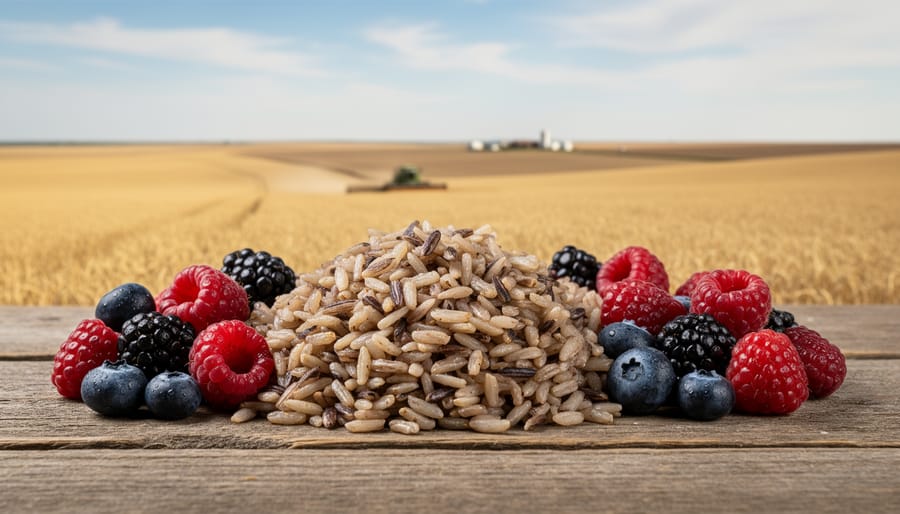
Saskatchewan’s culinary identity springs directly from its vast grain fields and deep Indigenous heritage. The province produces more than half of Canada’s wheat, and you’ll find this agricultural pride reflected on menus across Regina and Saskatoon, where chefs celebrate locally milled flour in everything from artisan breads to craft beers.
Indigenous ingredients form the backbone of authentic Saskatchewan cuisine. Wild rice harvested from northern lakes, bison raised on prairie grasslands, and the province’s namesake Saskatoon berry create dishes that connect modern dining to centuries of food tradition. These tart-sweet berries, which ripen in July, appear in pies, jams, and increasingly sophisticated restaurant preparations that honour their cultural significance.
The farm-to-table movement has taken firm root in the province’s two major cities. Regina restaurants like The Capitol and Saskatoon spots such as Ayden Kitchen showcase hyper-local ingredients, often sourcing from farms within a 100-kilometre radius. Chefs work directly with Métis and First Nations food producers to incorporate traditional ingredients respectfully, creating a culinary scene that acknowledges the land’s original stewards.
For food bloggers, Saskatchewan offers a chance to explore how prairie agriculture and Indigenous food sovereignty intersect. Visit during harvest season to capture golden wheat fields, connect with urban Indigenous chefs reclaiming traditional recipes, and document a food culture rooted in both the soil and thousands of years of knowledge.
4. Manitoba: Meeting Place of Cultures
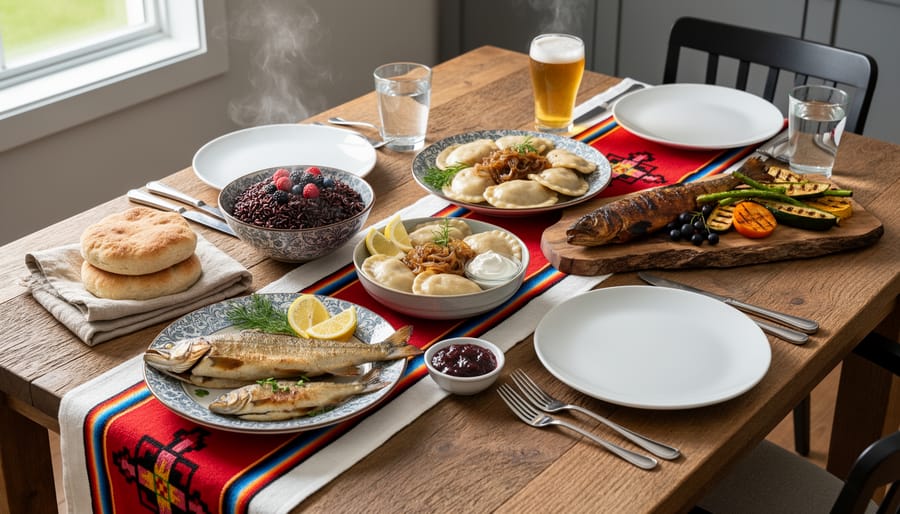
Manitoba’s culinary landscape reflects centuries of immigration and trade, earning Winnipeg its nickname as the “meeting place” where diverse food traditions converge. The city boasts North America’s largest Filipino population per capita outside the Philippines, creating a thriving scene of pancit houses, lumpia specialists, and restaurants serving authentic adobo and sinigang. You’ll find Filipino bakeries tucked into strip malls selling ube pastries alongside Ukrainian perogy shops, a testament to the province’s layered immigration history.
Ukrainian influence runs deep here, with generations-old recipes for cabbage rolls, borscht, and varenyky (pierogies) passed down through families who settled the prairies. The North End neighbourhood remains the heartland of this tradition, where church basements host perogy suppers and bakeries sell poppyseed roll by the metre. Mennonite communities contribute their own distinct foodways: farmer sausage, zwieback buns, platz (fruit-topped pastries), and hearty dishes like borscht made with summer savory rather than dill.
Manitoba’s freshwater fisheries shape its tables differently than coastal provinces. Pickerel (walleye), goldeye, traditionally smoked, and whitefish from Lake Winnipeg appear on menus from casual diners to fine dining establishments. This inland water tradition connects to the province’s history as a fur trade centre, where Métis and Indigenous cooks developed dishes blending European and First Nations ingredients, creating Manitoba’s foundational food identity.
5. Ontario: Urban Innovation Meets Cottage Country Comfort
Ontario’s culinary landscape reflects its position as Canada’s most populous province, where urban sophistication meets rural tradition. The province serves roughly 40% of Canada’s population, creating a massive and diverse dining market that shapes national food trends while maintaining distinct regional identities.
Toronto anchors this diversity as one of North America’s most multicultural cities. Over half the population was born outside Canada, creating authentic ethnic neighborhoods where you’ll find proper Jamaican patties in Little Jamaica, Portuguese custard tarts in Little Portugal, and handmade pasta in Corso Italia. The city’s restaurant scene pushes boundaries, chefs here launch concepts that later spread nationwide. For bloggers, Toronto offers endless content opportunities, from Kensington Market’s vintage charm to the Financial District’s high-end tasting menus.
Drive ninety minutes southeast and you’ll hit Niagara, where the wine region has evolved beyond tourism kitsch into legitimate culinary destination status. Ice wine remains the signature product, but Niagara wineries now produce excellent Rieslings and Chardonnays. The Niagara Bench supports farm-to-table restaurants that showcase local peaches, cherries, and greenhouse produce year-round.
Ottawa’s ByWard Market operates as both working farmers’ market and dining district. Established in 1826, it remains a hub for Ottawa Valley produce, BeaverTails pastries, and an increasingly international restaurant mix reflecting the capital’s diplomatic community.
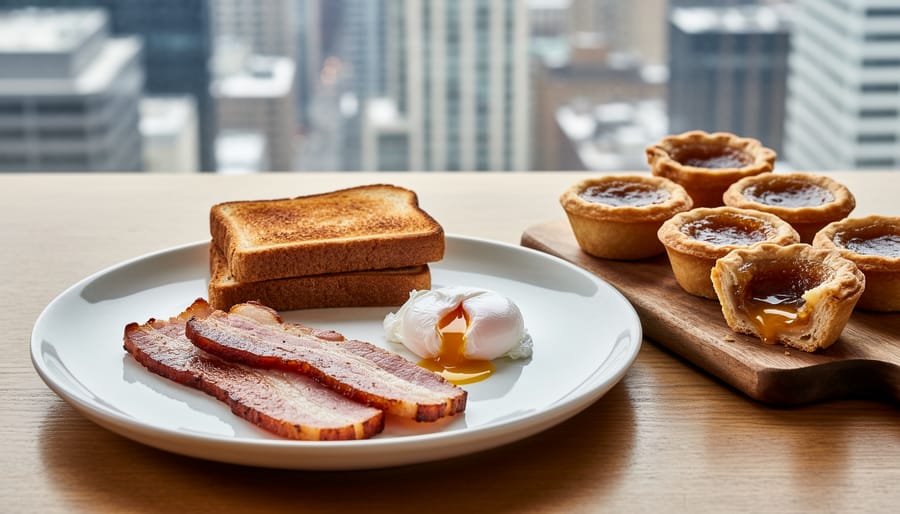
Traditional Ontario comfort food deserves attention too. Butter tarts spark fierce regional debates over raisin versus pecan fillings and runny versus firm centers. Peameal bacon sandwiches, despite the name, use cornmeal-crusted back bacon, a Toronto signature since the 1800s. These classics provide familiar anchors in a province that’s constantly reinventing its food identity.
6. Quebec: Distinct Culinary Identity and French-Canadian Traditions
Quebec’s culinary landscape stands apart from the rest of Canada, shaped by 400 years of French-Canadian tradition, fierce cultural pride, and a devotion to terroir that rivals European food regions. For food bloggers, this province offers an embarrassment of riches, from heritage recipes passed down through generations to a contemporary artisanal movement that’s putting Quebec on the global food map.
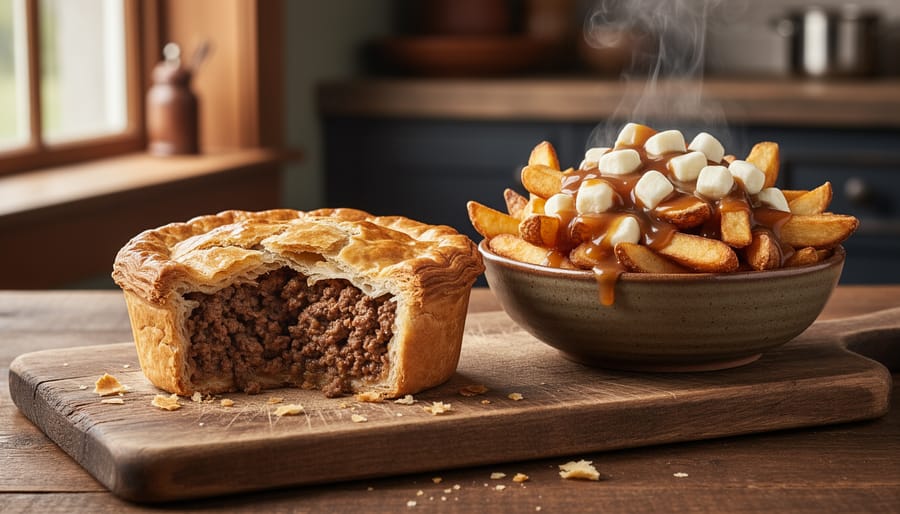
The province’s signature dishes tell stories of survival and celebration. Tourtière, the spiced meat pie served at réveillon feasts, varies dramatically by region: Lac-Saint-Jean’s version layers game meats in a deep dish, while Montreal’s tends toward finely ground pork and beef. Poutine, Quebec’s gift to comfort food, originated in rural diners in the 1950s, where the crucial squeaky cheese curds met hand-cut fries and brown gravy. Today’s chefs elevate it with duck confit, foie gras, and lobster, but purists insist the simple original remains unbeatable.
Sugar shack (cabane à sucre) season in March and April transforms Quebec’s maple forests into culinary destinations. Traditional meals feature maple-glazed ham, pork rinds, pea soup, and oreilles de crisse (fried pork jowl), all drizzled with fresh syrup. The ritual of pouring hot maple syrup onto snow to make tire d’érable (maple taffy) is non-negotiable.
Montreal’s food icons deserve their own pilgrimage: dense, wood-fired bagels from St-Viateur or Fairmount, hand-rolled and boiled in honey water; smoked meat from Schwartz’s, cured for weeks and sliced by hand. Quebec’s artisanal cheese scene now produces over 700 varieties, with raw-milk beauties like Oka and Le Riopelle de l’Isle competing internationally.
The province’s terroir movement, rooted in agricultural history and cultural preservation, champions local grains, heirloom vegetables, and regional wine from unexpected appellations. This fierce commitment to place makes Quebec essential reading for any serious Canadian food blogger.
7. Atlantic Canada: Maritime Traditions and Coastal Flavors
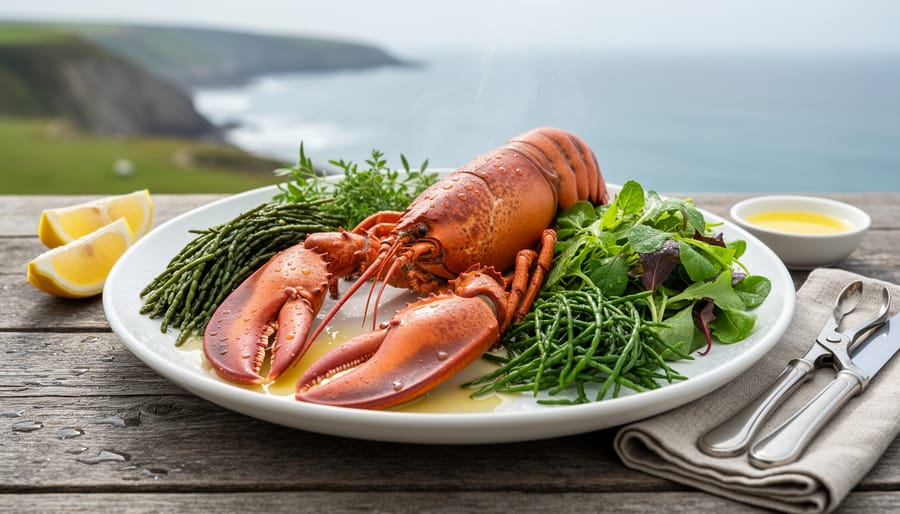
Atlantic Canada’s four provinces share a rugged coastline and maritime heritage, yet each brings its own accent to the table. The food here tells a story of survival, adaptation, and celebration, where what grew wild, what could be preserved, and what arrived with waves of immigrants shaped regional identities as distinct as their accents.
Nova Scotia balances Scottish, Mi’kmaq, and Acadian influences. Lobster rolls stuffed with mayo-dressed meat appear at roadside shacks from Digby to Cape Breton, while Acadian rappie pie (a grated potato and meat casserole from which most liquid has been removed) showcases the resourcefulness of early French settlers. Halifax’s waterfront brings global influences, but the province’s heart beats strongest in fishing villages where chowder recipes pass through generations and dulse (dried seaweed) gets munched like chips.
New Brunswick offers fiddleheads, the tightly coiled spring shoots of ostrich ferns, sautéed in butter as a seasonal ritual that marks winter’s end. The province’s lobster comes cheaper and more abundant than anywhere else in the Maritimes, while its Acadian shore serves up poutine râpée (potato dumplings) and fricot (a comforting chicken stew). Saint John’s reversing falls bring tourists, but the real culinary action unfolds at church suppers and kitchen parties.
Each Atlantic province claims signature foods that define its character:
- Nova Scotia: Hodge podge (a creamy summer vegetable medley), Solomon Gundy (pickled herring), and donair (Halifax’s late-night spiced beef wrap with sweet sauce)
- New Brunswick: Dulse-dusted everything, ployes (buckwheat pancakes), and the province’s famous Covered Bridge potato chips
- PEI: Malpeque oysters, potato fudge, seaweed pie, and the island’s celebrated lobster suppers served community-style
- Newfoundland and Labrador: Jiggs dinner (salt beef and root vegetables), toutons (fried bread dough), fish and brewis (salt cod with hardtack), and bakeapple (cloudberry) jam
Prince Edward Island’s red soil produces potatoes so central to island identity that they appear in desserts. But it’s the oysters and mussels cultivated in the island’s bays that draw culinary pilgrims, often shucked and slurped at waterfront shacks where the view matters as much as the brine.
Newfoundland and Labrador preserves the most distinct food vocabulary in Canada. Screech isn’t just rum, it’s an initiation. A “feed” means a feast. The province’s isolation meant preserving everything: salt fish, bottled moose, and partridgeberry jam stocked root cellars through brutal winters, and these traditions endure not from nostalgia but from pride in making harsh conditions delicious.
8. Northern Territories: Arctic Ingredients and Contemporary Indigenous Cuisine
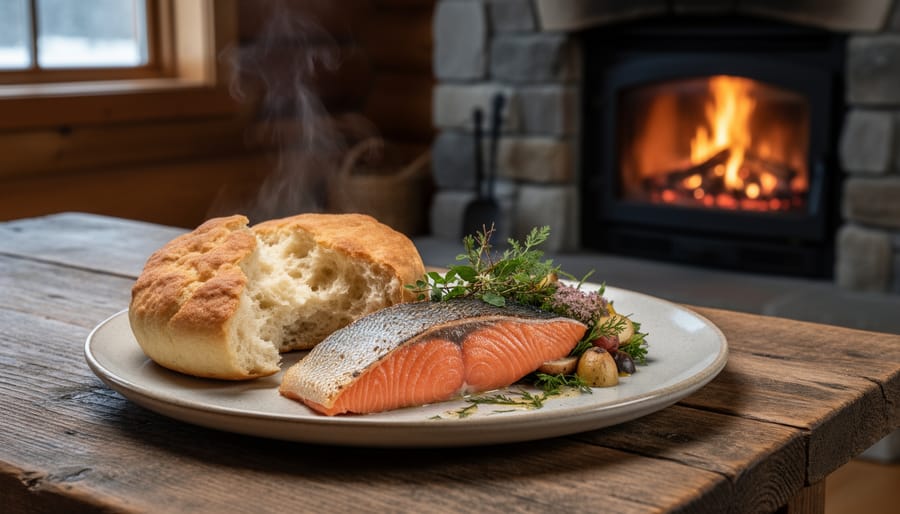
Canada’s northern territories, Yukon, Northwest Territories, and Nunavut, offer food bloggers access to one of the world’s most distinctive culinary traditions, where country food (the preferred term for traditional Indigenous foods) remains central to daily life and cultural identity. Arctic char, with its delicate pink flesh, stands as the region’s signature fish, while caribou provides both ceremonial significance and everyday sustenance. Bannock, originally a Scottish flatbread adapted by Indigenous peoples, appears at nearly every northern gathering.
The contemporary Indigenous food sovereignty movement here isn’t abstract, it’s communities reasserting control over their food systems after decades of imposed change. Chefs like Rich Francis in Yellowknife blend traditional ingredients with modern techniques, creating dishes that honour ancestral knowledge while appealing to diverse palates. You’ll find Arctic char ceviche alongside dried caribou meat, cloudberries transformed into sophisticated desserts.
Access presents real challenges. Most communities lack road connections, making visits expensive and logistically complex. Learning how to start networking with northern Indigenous food advocates before you travel proves essential, these relationships determine whether you gain genuine cultural insight or merely tourist-level experience. Respect protocols around harvesting, preparation, and sharing. Never photograph food or ceremonies without explicit permission.
For local food tips specific to the North, connect with territorial tourism boards and Indigenous-led culinary initiatives months ahead. Late summer offers the most accessible travel window and peak ingredient availability.
Practical Information for Food Bloggers Exploring Provincial Cuisines
Planning provincial food content requires both strategic timing and local connections. Start by identifying which regional ingredients or culinary events align with your blog’s focus, then build your travel schedule around peak seasons. Spring brings maple syrup season in Quebec and Ontario, fiddlehead harvests in New Brunswick, and rhubarb in the prairies. Summer opens up berry picking across all provinces, coastal seafood festivals in Atlantic Canada, and wine country experiences in BC and Ontario. Fall delivers harvest festivals, wild game season in the North, and Okanagan grape harvest, while winter features ice wine production in Ontario and Quebec sugar shack preparations.
| Province | Peak Season | Signature Experience |
|---|---|---|
| Quebec | March-April | Sugar shack season (cabane à sucre) |
| British Columbia | August-September | Okanagan wine harvest and salmon runs |
| PEI | July-September | Lobster season and Fall Flavours festival |
| Saskatchewan | July-August | Saskatoon berry harvest |
Connect with provincial tourism boards early, most maintain culinary tourism programs and can facilitate chef introductions, farm visits, and festival access. Join food blogger networks to tap into existing relationships and get insider recommendations from bloggers who’ve covered specific regions. Local farmers’ markets serve as excellent research hubs where you’ll meet producers, learn about seasonal availability, and discover lesser-known regional specialties that don’t appear in official tourism materials.
Local Tips for Authentic Provincial Food Experiences
The most authentic provincial food experiences happen when you engage directly with the people making and growing the food. Skip the generic restaurant review sites and instead ask locals where they eat, bartenders, hotel staff, farmers’ market vendors, and taxi drivers usually know the real spots. In smaller communities across the provinces, the best meals often come from church suppers, community halls, and family-run diners that don’t have Instagram accounts.
Farmers’ markets remain your best entry point into regional food culture. Arrive early, talk to growers about what’s in season, and ask for their favourite preparation methods. These conversations often lead to invitations to visit farms, attend harvest events, or connect with other local producers. Many provinces have agritourism networks that coordinate farm visits, but the most valuable connections happen organically when you show genuine interest.
Time your visits around community food events rather than commercial festivals. Quebec’s sugar shacks operate on seasonal schedules tied to actual maple production. Prairie community suppers celebrating harvest happen in fall. Coastal fish plants sometimes offer tours during peak processing seasons. These experiences give you material that feels lived-in rather than staged. Tourist traps advertise heavily and cluster near major attractions; authentic spots require you to drive twenty minutes outside town, follow hand-painted signs, or show up when locals actually eat (which is rarely at 7 PM on weekends). Your best content comes from places where you’re the only person taking photos.
Canada’s provincial dining landscape is more than just geography on a map. It’s a living, evolving story written by generations of cooks, farmers, fishers, and communities who’ve shaped distinct food cultures from coast to coast to coast. As a food blogger, you’re not just documenting recipes or reviewing restaurants. You’re capturing the voices and traditions that make Canadian cuisine what it is today, and what it will become tomorrow.
Each province offers something irreplaceable. The stories you tell about a Manitoba kolach bakery, an Ontario sugar bush, or a Newfoundland fish cake supper matter because they preserve and celebrate the diversity that defines us. This isn’t static history. Canadian food culture is constantly shifting as new immigrant communities add their chapters, Indigenous chefs reclaim traditional foodways, and young cooks reinterpret provincial classics with fresh eyes.
Which province has the most distinct food culture?
Quebec stands out for its French-Canadian roots and legislated protection of culinary traditions, but every province has genuinely unique elements shaped by geography, immigration patterns, and Indigenous influences. Distinctiveness isn’t a competition.
How do I respectfully feature Indigenous cuisines?
Seek permission before sharing traditional knowledge, credit Indigenous chefs and knowledge keepers by name, and recognize food sovereignty as an ongoing movement, not historical curiosity. Compensation and collaboration matter more than extraction.
What’s the best way to plan a multi-province food research trip?
Focus on seasonal ingredients and festivals rather than trying to cover everything. Contact provincial tourism boards and local food networks before you go, and build relationships that extend beyond a single visit.
Are there provincial food blogger networks I can join?
Most provinces have food writer and blogger associations, often connected to tourism boards or culinary tourism initiatives. Start with provincial food tourism websites and social media groups focused on regional food communities.
Your role goes beyond taste-testing. You’re documenting the evolution of Canadian cuisine in real time, connecting readers to the people and places behind their food. So get out there, listen deeply, eat curiously, and tell these provincial stories with the care and enthusiasm they deserve.